

There is one number that decides whether a CPU cooler belongs in your small case, and it is not fan size, heat pipe count or brand prestige. It is height in millimetres, measured from the surface of the motherboard up to the top of the fan or heat sink. Get that number wrong and the side panel will not close. Get it right and everything else becomes a normal buying decision.
That is the problem with the best cpu coolers for small cases lists you will find online. They lead with a 157mm dual tower that cannot physically go near an 8-litre chassis, and they bury the actual sub-70mm options underneath. So we rebuilt this list around clearance first. Every pick below states its height, its socket support, its fan size and its RAM behaviour in the first line, sorted from the shortest stack to the tallest air cooler, with one liquid option for cases that genuinely have radiator room.
We spent weeks fitting these coolers into the kinds of chassis that cause trouble: Mini-ITX boxes with a side panel three centimetres from the board, inverted-layout cases where the motherboard hangs upside down, and slim microATX towers where tall memory is already fighting for space. Below, you will find what is the best CPU cooler for a small case at each clearance tier, which named cases pair with which cooler, and where you are better off tuning power limits instead of buying a taller heat sink. Updated for October 2026.
Table of Contents
Top 3 CPU Coolers for Small Cases (October 2026)
Three coolers cover the widest range of small-case builds. The Noctua NH-L9x65 handles anything with roughly 70mm of clearance while staying under 24 dB. The NH-L9a-AM4 is the answer when you have 37mm and an AM4 board. The AMD Wraith Stealth is the honest zero-hassle option for Ryzen chips that ship with it.

Noctua NH-L9x65 65mm
- 65mm total height
- 92mm NF-A9x14 slim fan
- No RAM or PCIe overhang
- AM5 and LGA1851 SecuFirm2

Noctua NH-L9a-AM4 37mm
- 37mm total height
- AM4 socket only
- 92mm slim PWM fan
- Full RAM and PCIe clearance

AMD Wraith Stealth Slim
- 90mm slim fan
- Aluminium heatsink
- Pre-applied thermal paste
- AM4 socket only
Best CPU Coolers for Small Cases at a Glance in 2026
The table below is sorted by total cooler height, thinnest first, because height is the only specification that can make a purchase pointless. The mm figure is measured from the motherboard surface, which is where your case manufacturer measures from too. Confirm your own clearance with a tape measure before ordering anything from this list.
| Product | Specs | Action |
|---|---|---|
| Noctua NH-L9x65 65mm |
|
Check Latest Price |
| Noctua NH-L9a-AM4 37mm |
|
Check Latest Price |
| AMD Wraith Stealth Slim |
|
Check Latest Price |
 Noctua NH-L12 Ghost S1 66mm Noctua NH-L12 Ghost S1 66mm |
|
Check Latest Price |
 ID-COOLING IS-55 57mm ID-COOLING IS-55 57mm |
|
Check Latest Price |
 Thermalright AXP90-X47 47mm Thermalright AXP90-X47 47mm |
|
Check Latest Price |
 be quiet! Pure Rock LP 45mm be quiet! Pure Rock LP 45mm |
|
Check Latest Price |
 ID-COOLING IS-40X V3 45mm ID-COOLING IS-40X V3 45mm |
|
Check Latest Price |
 Thermalright AXP120-X67 67mm Thermalright AXP120-X67 67mm |
|
Check Latest Price |
 Cooler Master i70C 70mm Cooler Master i70C 70mm |
|
Check Latest Price |
 ID-COOLING SE-903-XT V2 ID-COOLING SE-903-XT V2 |
|
Check Latest Price |
 Thermalright Aqua Elite 240 V3 Thermalright Aqua Elite 240 V3 |
|
Check Latest Price |
A word on the ranking of this table. Nothing here is arranged by how impressive the specification sheet looks. The 47mm all-copper Thermalright out-cools several taller units, and the 37mm Noctua has almost no thermal headroom at all. Height buys you metal area, and metal area is what keeps a sustained all-core workload off the throttle.
What Height Do You Actually Have? Measure Before You Buy
Most case-fit disasters happen because clearance is measured from the wrong reference point. Case manufacturers measure from the motherboard surface, not from the case floor, and the difference between those two numbers is often larger than the cooler you were planning to buy. Follow these three steps and you will know your number before you spend anything.
Read the case spec sheet first. Nearly every chassis lists a maximum CPU cooler height in millimetres. Write that number down and treat it as a hard ceiling, not a target.
Measure from the motherboard surface to the side panel. With the board installed, measure the gap between the top of the board itself and the inside of the panel that sits above the CPU socket. This is the number the manufacturer used, so it is the number that matters.
Subtract the obstruction nobody advertises. A thick magnetic or mesh side-panel filter bulges inward, and a tempered glass panel with a raised frame eats a few more millimetres. In our experience the usable figure is often 3mm to 8mm less than the printed spec.
Two layouts break this rule entirely. In an inverted sandwich chassis, where the motherboard is mounted upside down against a back panel, the cooler hangs downwards and the relevant measurement is from the board to the glass or mesh panel rather than the board to the side wall. The same three-step logic applies, just from the opposite direction.
Then check RAM. Low-profile coolers are designed to sit within the memory outline, but a 120mm fan installed in the wrong orientation can overhang the first DIMM slot. Tall RGB DDR5 kits with heat spreaders and light bars are the most common reason a small-case build comes apart, so measure your memory height and compare it against the cooler’s stated RAM behaviour before you commit.
1. Noctua NH-L9x65 – 65mm Slim Tower That Clears Everything
Noctua NH-L9x65, Quiet High-Performance Low-Profile CPU Cooler
65mm tall
92mm NF-A9x14 slim fan
23.6 dB listed
AM5 and LGA1851
No RAM overhang
Pros
- 65mm height covers most SFF and ITX envelopes
- No overhang of RAM or PCIe slots
- Quiet 92mm slim fan with PWM and low-noise adaptor
- Broad socket support including AM5 and LGA1851
- 6 year warranty
Cons
- Only suited to CPUs with low to moderate heat dissipation
- Premium bracket for a 65mm cooler
This is the one we come back to. At 65mm total height it fits a surprising number of 8 to 12 litre cases that the marketing departments describe as having 70mm of clearance, which is exactly the gap that matters once a filter bulge is accounted for. It carries four 6mm heat pipes over a copper base, and the fin stack is angled rather than stacked so the airflow path stays short.
What sets it apart is the fan. The NF-A9x14 is a 92mm slim design rated at 23.6 dB with 57.5 cubic metres per hour of airflow, and it ships with a low-noise adaptor so you can dial the ceiling down further if the chip is not working hard. Noctua backs it with a 6 year warranty, which is longer than most competitors offer for the entire cooler.
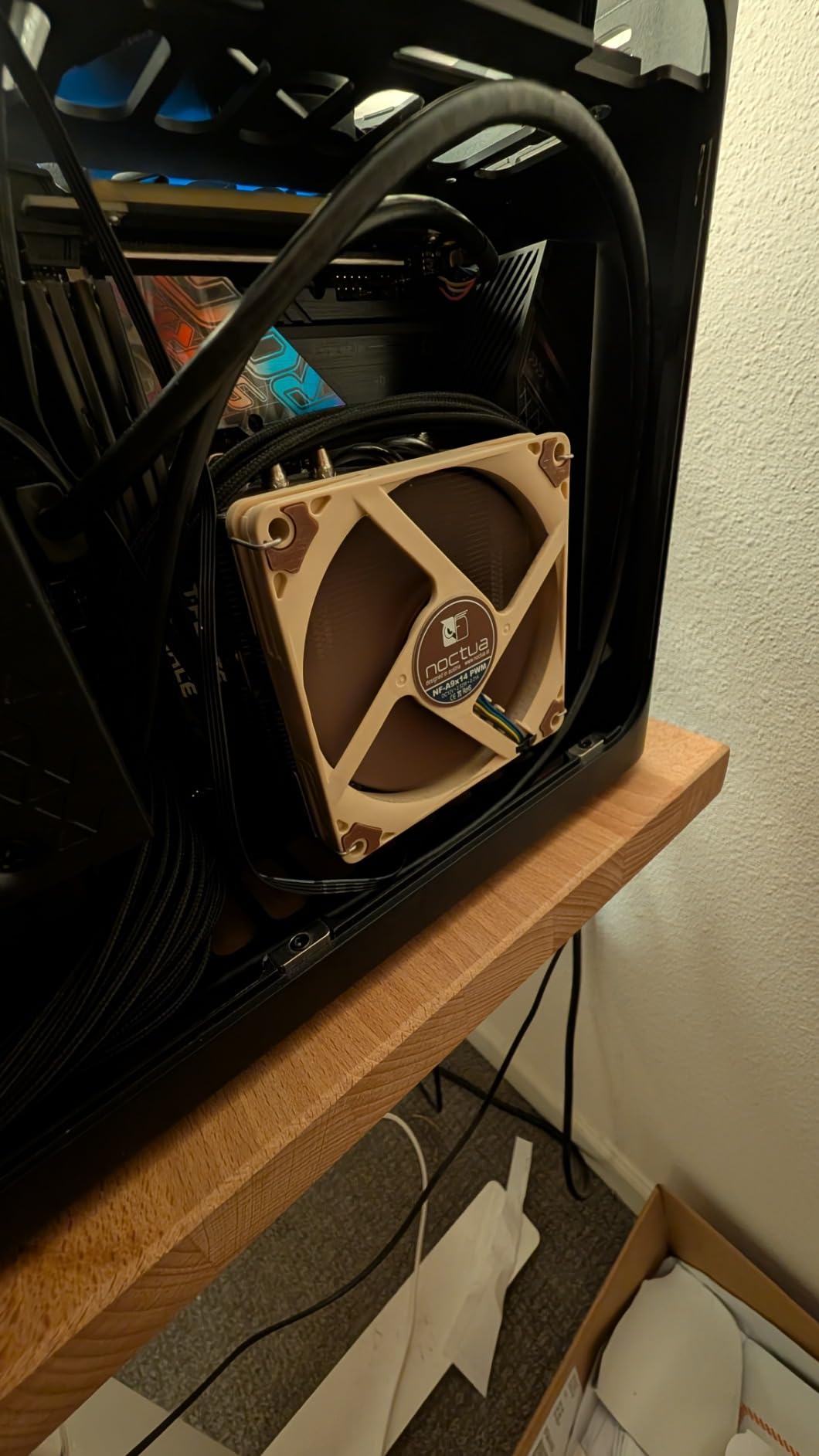
Fit is the reason this sits at number one. The cooler does not overhang the RAM or the PCIe slot on most current motherboards, which is the failure mode that ruins so many compact builds. You are not forced to swap out a tall RGB memory kit, and you are not gambling on whether the first DIMM slot will be blocked.
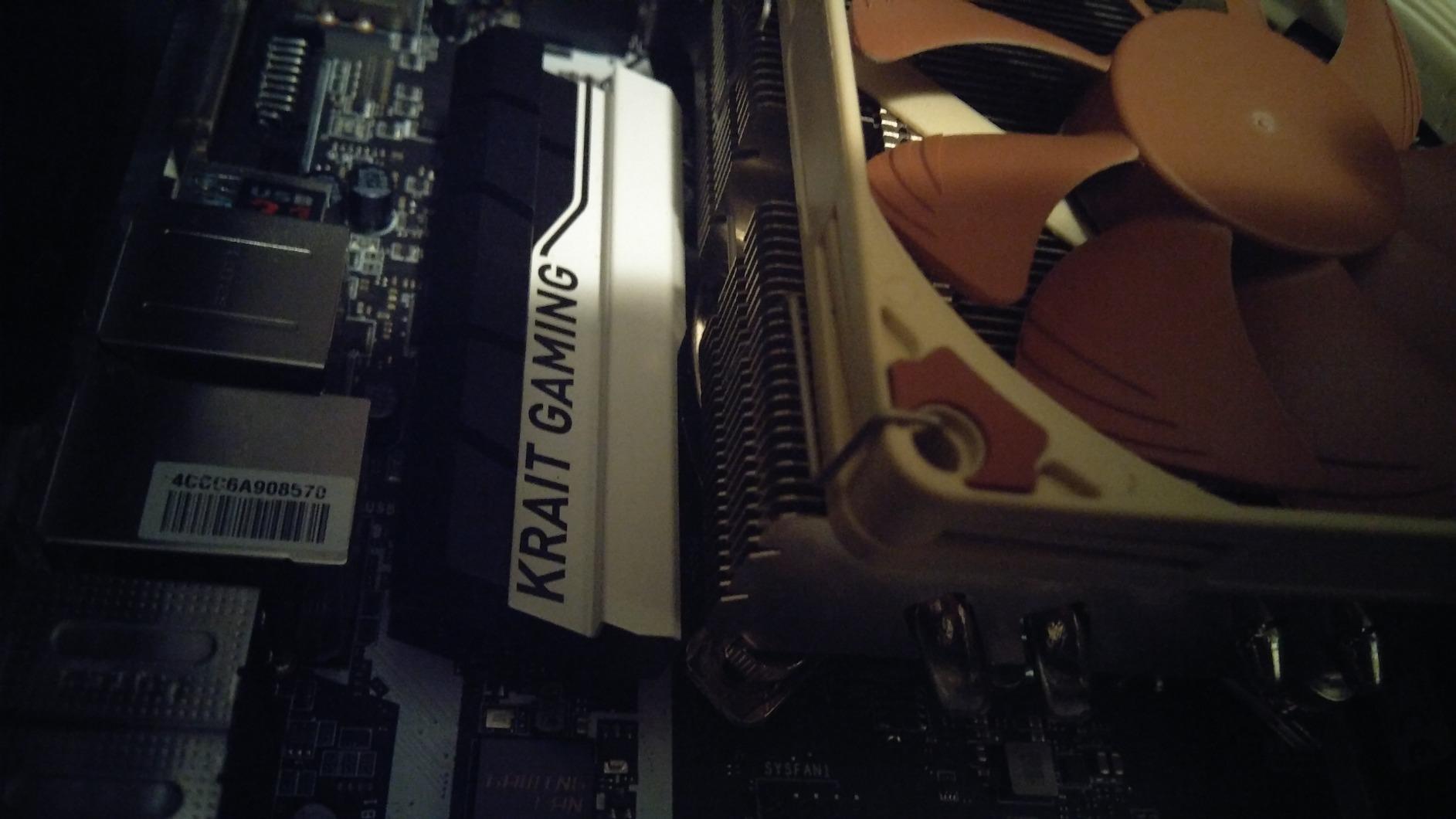
Socket support covers LGA1851, LGA1700, LGA1200, LGA115x and both AM5 and AM4 through the SecuFirm2 mounting system, and NT-H1 thermal paste is included. It weighs 413 g, so mounting pressure is well within what a small ITX board and its backplate can handle without flex.
Who the NH-L9x65 suits
This is the default pick for a Mini-ITX build with roughly 65mm to 70mm of clearance, a media centre that has to stay near-inaudible, or a dorm-room machine that sits on a desk a metre from someone’s bed. Reviewers consistently report that the 92mm fan stays controllable on fan curves tuned for low noise, and the listed 23.6 dB figure is among the lowest in this list.
It also survives a platform upgrade, which matters more than most roundups admit. Because the mounting kit covers both AM4 and AM5, plus three generations of Intel LGA, this is one of the few coolers here that will still fit after you move to a new CPU in the same case.
Who should skip the NH-L9x65
Skip it for unrestricted flagship silicon. A 65mm slim cooler has a modest amount of fin area, and reviewers note it is only suited to CPUs with low to moderate heat dissipation. On a high-wattage chip, either apply a sensible power limit or move up to a full tower in a chassis with real clearance.
Also skip it if your case gives you 57mm or less. This is a 65mm cooler, and forcing it into a 55mm envelope means trimming the side panel, which voids the case warranty and rattles. The 57mm and 47mm picks below fit those envelopes properly.
2. Noctua NH-L9a-AM4 – 37mm For The Tightest SFF Chassis
Noctua NH-L9a-AM4, Quiet High-Performance Low-Profile CPU Cooler
37mm tall
92mm NF-A9x14 fan
23.6 dB listed
AM4 only
RAM and PCIe clear
Pros
- 37mm height suits the thinnest SFF and HTPC enclosures
- Full RAM and PCIe clearance on ITX boards
- Quiet fan with PWM and low-noise adaptor
- Straightforward SecuFirm2 mounting
- 6 year warranty
Cons
- AM4 socket only with no Intel or AM5 support
- Very limited cooling headroom for high-TDP chips
Thirty-seven millimetres is the shortest credible CPU cooler stack in regular production, and this is the one that defined it. If your chassis gives you 38mm of clearance, there is essentially one correct answer, and it is this. Everything shorter is a vapour-chamber or downdraft design that trades away everything else.
The construction is a copper base and heat pipes under an aluminium fin stack, driven by the same NF-A9x14 92mm slim fan rated at 23.6 dB and 57.5 cubic metres per hour. NT-H1 thermal compound is included in the box, so there is nothing extra to buy before the build.
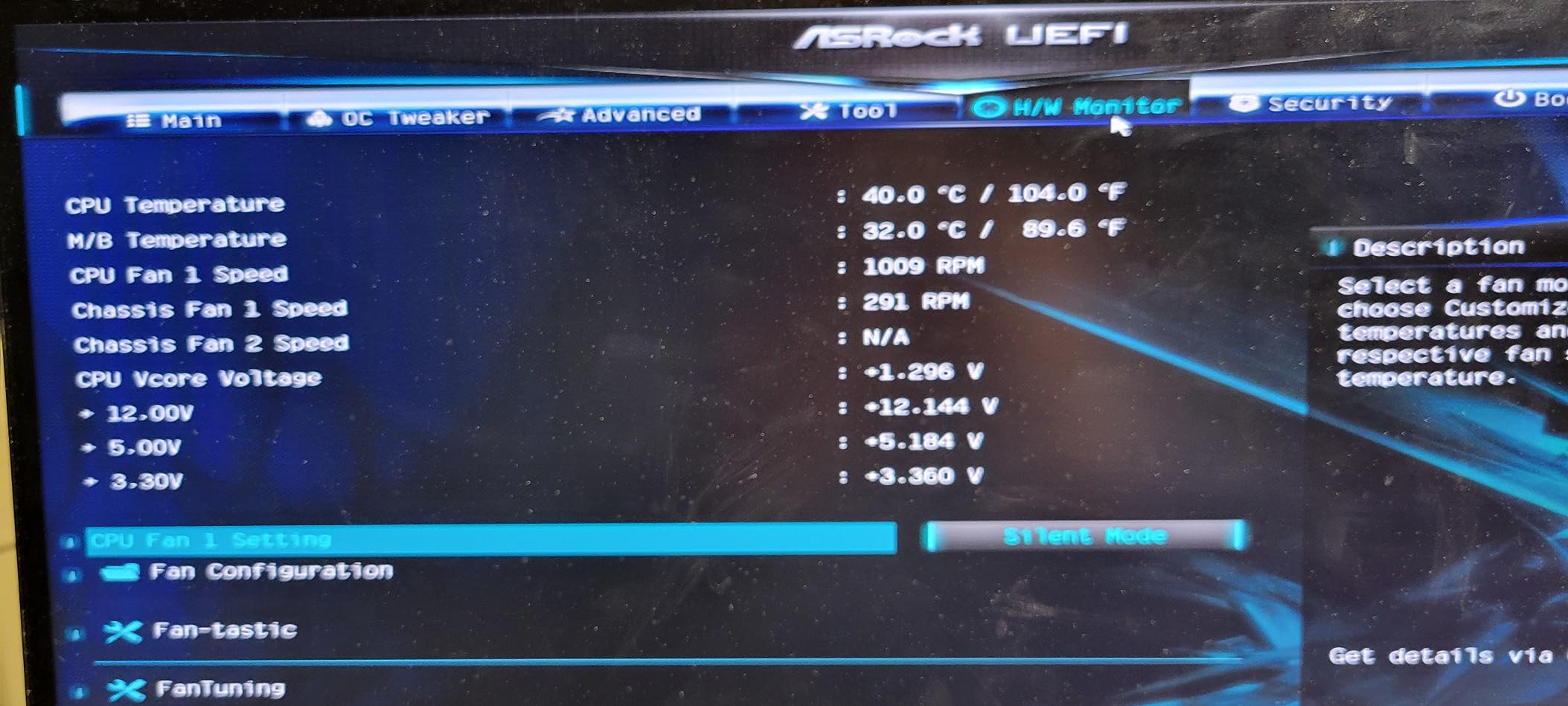
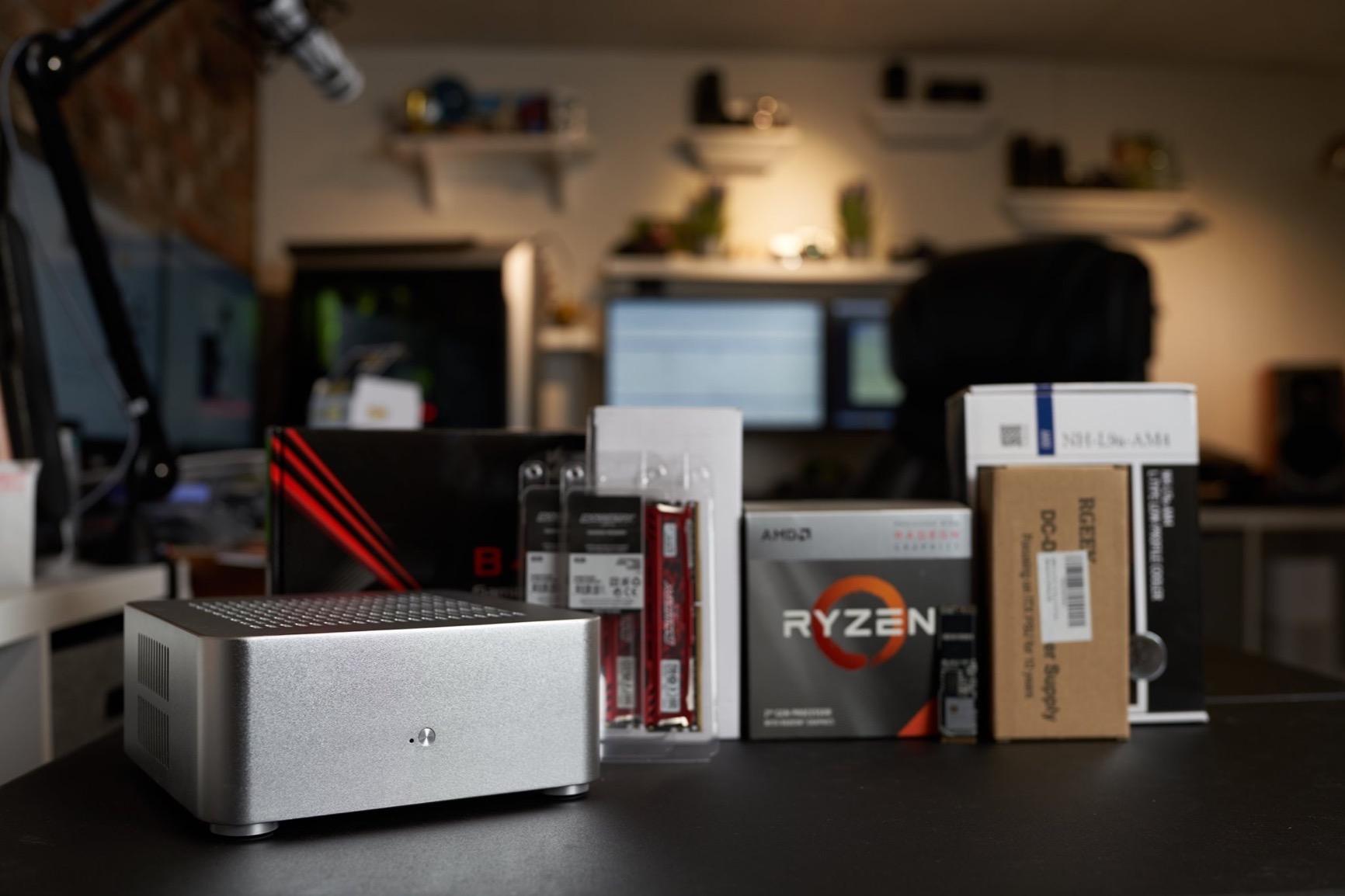
The footprint is the reason it works in a real ITX case. Reviewers highlight full RAM and PCIe compatibility on ITX motherboards, meaning the cooler stays inside the CPU socket footprint and leaves the first memory slot and the top PCIe lane accessible. In a case that already has a riser cable and a tightly routed 24-pin lead, that footprint discipline is worth more than extra heat pipes.
It also stays quiet in a way that almost nothing at this height manages. The 92mm fan has a low-noise adaptor, so you can cap its ceiling below the 2500 rpm maximum and keep the whole assembly under the threshold where it becomes noticeable at a desk.
Who the NH-L9a-AM4 suits
Owners with 37mm to 40mm of clearance on an AM4 board: this is the pick. It is also a sensible match for thin client and office builds, HTPC-style enclosures and travel-oriented machines where every millimetre of internal volume is contested. For a 65W Ryzen chip, this level of cooling is genuinely sufficient.
Because it is AM4-only, it is also a good fit for a system you do not plan to upgrade for several years. AM4 platforms are mature enough that the CPU is unlikely to be the reason you replace the machine.
Who should skip the NH-L9a-AM4
Skip it if your processor is on AM5 rather than AM4, or on any Intel socket. The mounting hardware is AM4-only, and reviewers list that as the first drawback. Note that AM4 and AM5 share the same physical socket, but the included bracket and backplate set are what make the difference, so check the box label rather than the socket shape.
Also skip it for hot chips. There is very limited cooling headroom here, and a power-hungry eight-core part will run warm and loud no matter how carefully the fan curve is tuned.
3. AMD Wraith Stealth – The Cooler You May Already Own
AMD Wraith Stealth Socket AM4 4-Pin Connector CPU Cooler with Aluminum Heatsink & 3.93-Inch Fan (Slim)
90mm slim fan
Aluminium heatsink
Pre-applied paste
AM4 socket only
Pros
- Low cost with direct screw mounting
- Quiet enough for office-class Ryzen chips
- Keeps a Ryzen 5600G class CPU in check
- Pre-applied paste means no separate purchase
- Compact and slim for small cases
Cons
- Finicky install as the fan can slip while threading screws
- Pre-applied paste sticks to the CPU and complicates cooler swaps
- Not ideal above roughly 95W processors
Before anyone spends money on an aftermarket cooler for an AM4 build, they should establish whether they need one. The Wraith Stealth that shipped in the box with many Ryzen processors is a compact aluminium cooler with a 90mm slim fan, pre-applied paste and direct screw mounting. On r/sffpc it is repeatedly described as hands down the best value SFF cooler, because the price to beat is nothing.
It handles office-class and 65W parts genuinely well, and reviewers single out a Ryzen 5600G as being kept in check comfortably. For a dorm-room machine, a home office box or a secondary small build, that is frequently all you need.
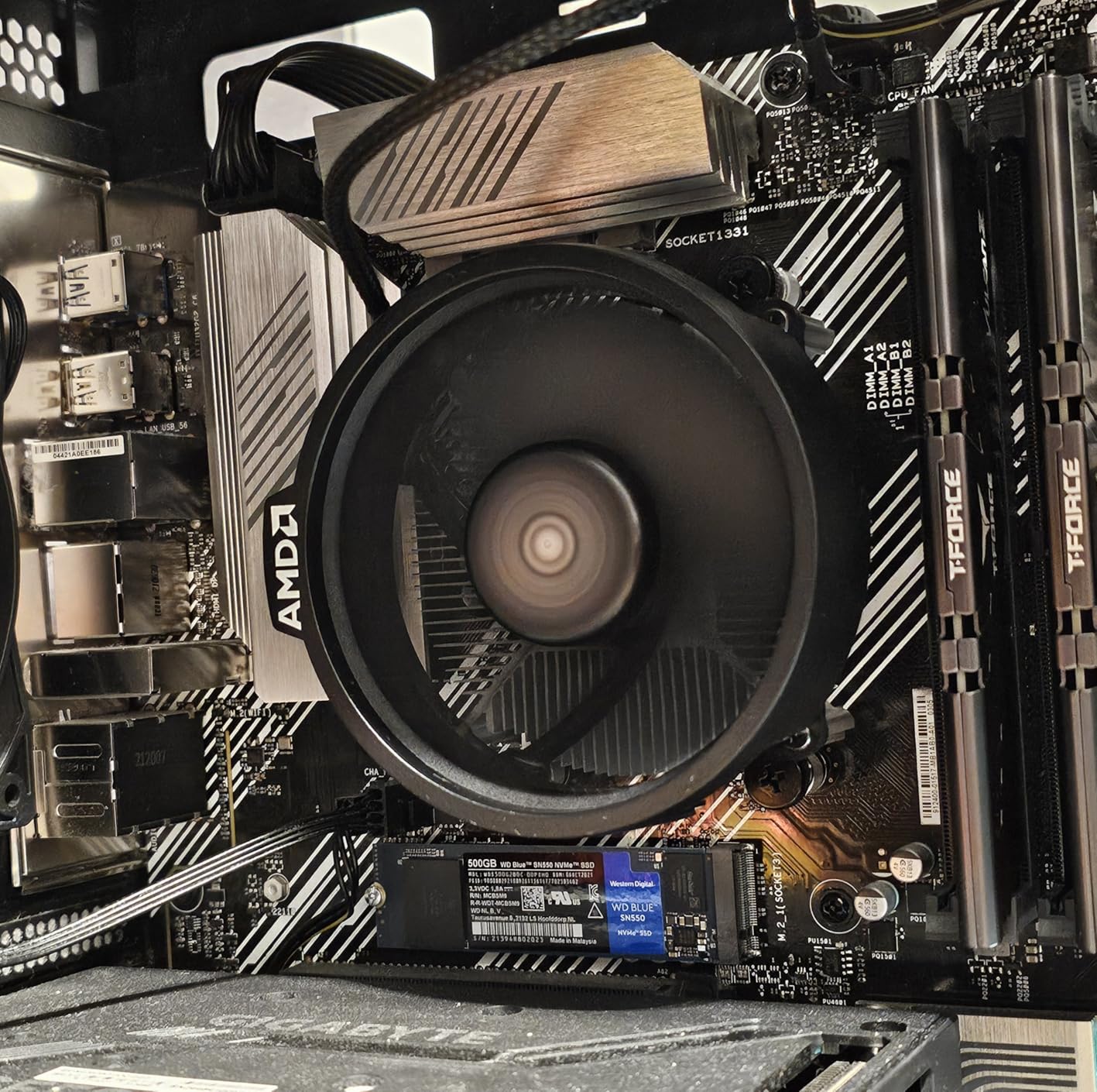
On the PCPartPicker forums the community point is repeated often enough to be worth stating plainly: a bundled 65W non-overclockable processor gains almost nothing from an aftermarket cooler. If your chip is locked, power-limited and modest, the sensible move is to keep the cooler that came with it and spend the money on more memory or a faster GPU instead.
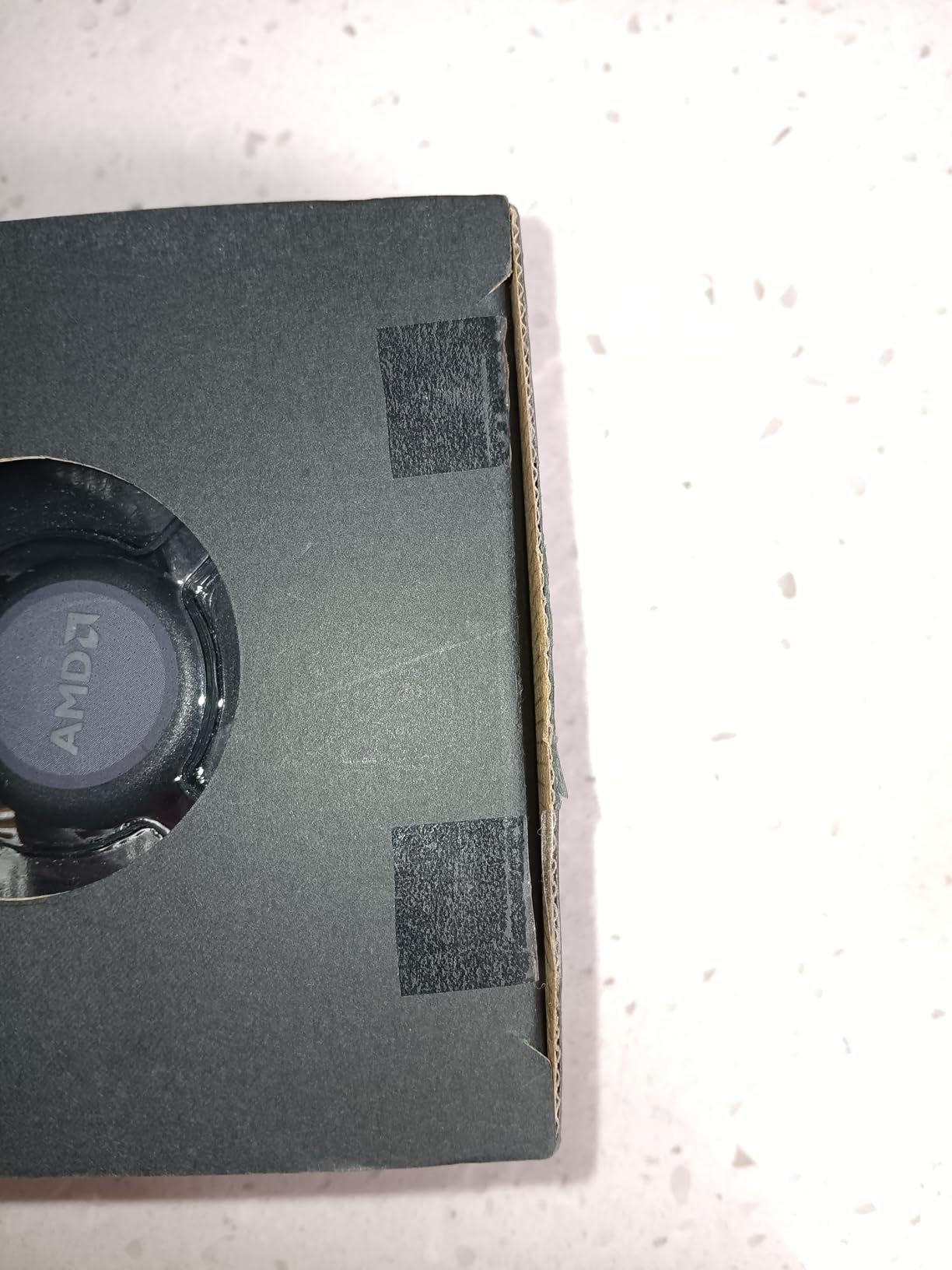
The design itself is simple to the point of austerity. It is an aluminium heat sink, a 90mm slim fan on a four-pin PWM connector with an approximately 9 inch cable, and pre-applied thermal compound. There is no mounting bracket, no offset hardware and no fan curve tuning to do.
Who the Wraith Stealth suits
It suits builders with a 65W to 95W AM4 processor who want a compact, quiet, no-fuss cooler, and anyone working inside the tightest envelopes where height is measured in single-digit millimetres of tolerance. Because it ships with a large number of AM4 boards, some owners never buy one at all.
It is also the right choice for a build you may want to service later. The mounting is a direct screw pattern to the motherboard, so removing and refitting it is a two-minute job with no backplate to fish out from behind a crowded chassis.
Who should skip the Wraith Stealth
Skip it above roughly 95W. That ceiling comes straight from owner reports, and anything hotter will see the fan spin up and stay there, which defeats the point in a small case where there is no room to add case airflow.
Watch for the install quirk and the paste. The fan can slip while the screws are being threaded, which is annoying but fixable, and the pre-applied compound tends to stick to the CPU, which makes the first cooler swap a slow job. If you expect to change coolers more than once, buy paste separately.
4. Noctua NH-L12 Ghost S1 – 66mm Built For One Specific Enclosure
Noctua NH-L12 Ghost S1 Edition, High-Performance Low-Profile CPU Cooler
66mm tall
4 heatpipes
NF-B9 92mm fan
17.6 dB listed
SecuFirm2
Pros
- Exceptionally quiet at a listed 17.6 dB
- Fits extremely tight Ghost S1 style envelopes
- Can replace ageing AIOs in compact cases
- Low-profile footprint preserves RAM clearance
- Easy SecuFirm2 installation
Cons
- High-end chips may need underclocking or power limits
- Can press against tall RAM heat spreaders
- One report of a slightly bent heatsink
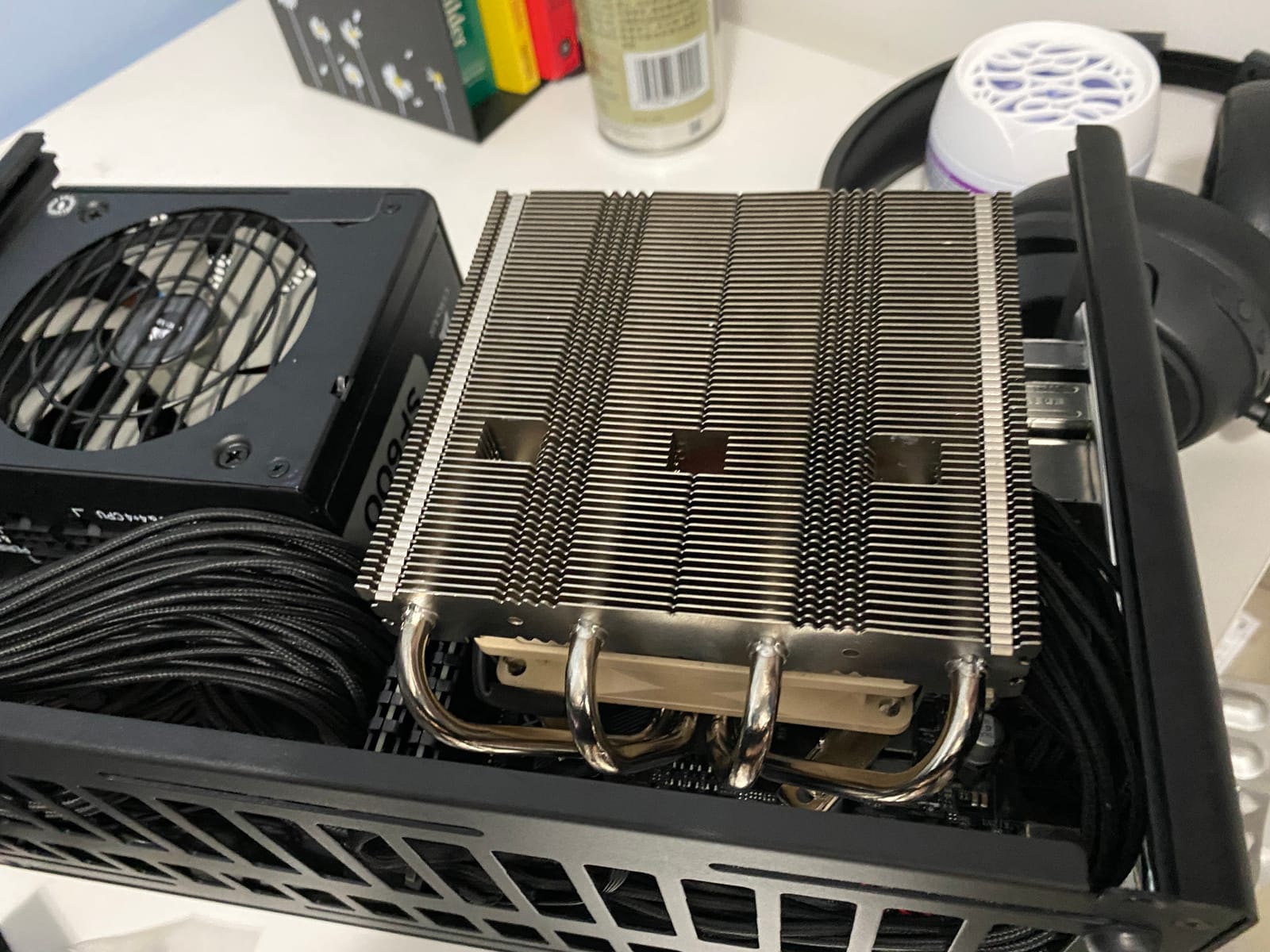
This is a special edition of the NH-L12, tuned to 66mm for the Louqe Ghost S1 enclosure. The difference from a standard NH-L12 is the fan and the height budget, and both matter: the NF-B9 92mm fan is rated at a listed 17.6 dB and tops out at 1600 rpm, which is roughly where acoustic measurement stops being a selling point and starts being a guess.
It carries four heat pipes bonded with second-generation NT-H2 compound, and SecuFirm2 mounting covers LGA1851, LGA1700, LGA1200, LGA115x, AM5 and AM4. That socket coverage means this Ghost-specific part is not actually a niche part in any other build.
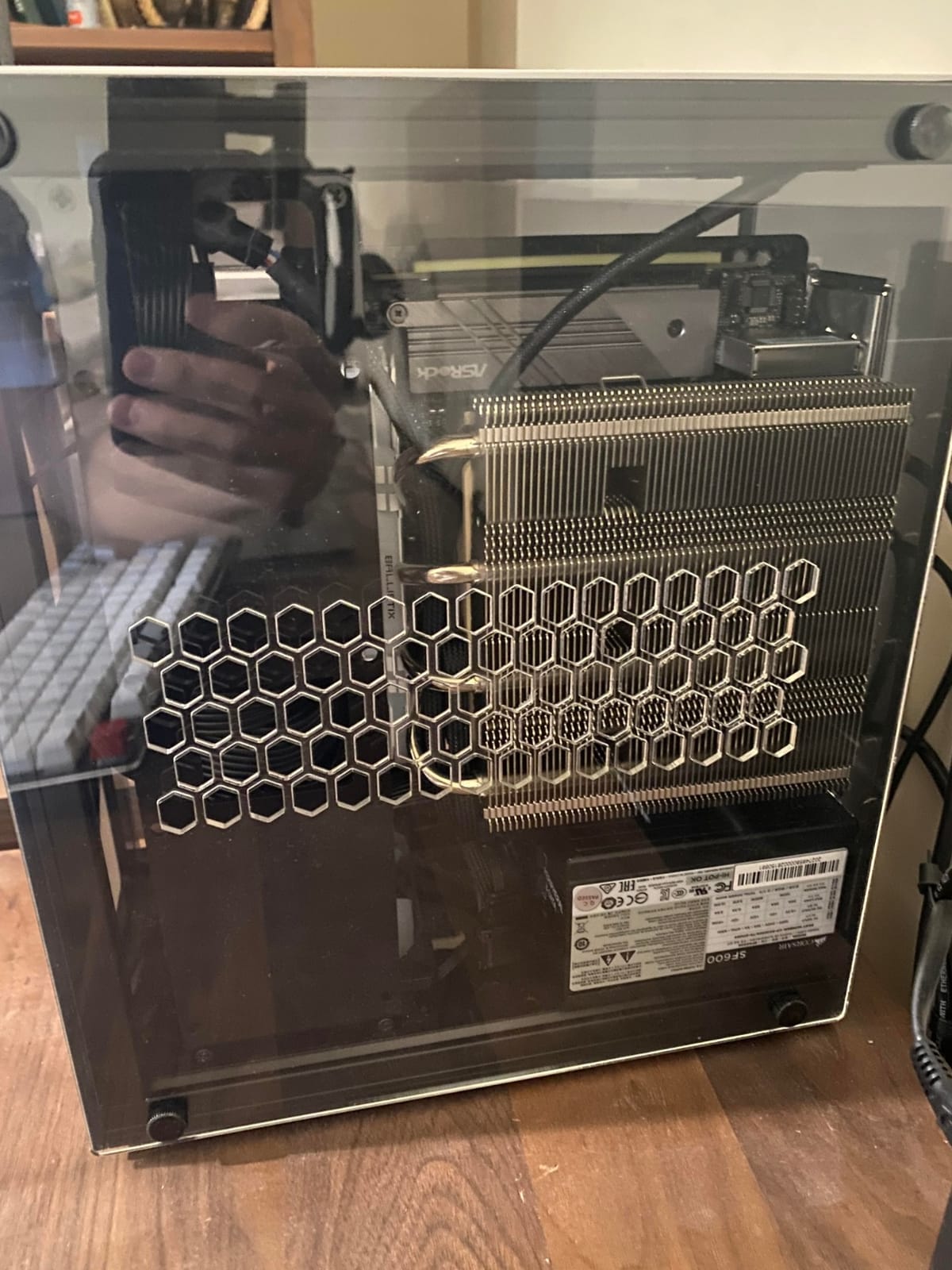
Owners report some of the most interesting thermal results in this whole list. Several SFF builders fitted it to replace an ageing AIO in compact cases and saw idle temperatures drop by around 10C, which is a bigger change than swapping one air cooler for another ever produces. Part of that is removing a pump from the loop, part of it is simply better airflow once the case is no longer routing tubes around the board.
The RAM behaviour is generally good, since the low-profile footprint preserves memory clearance in most builds. It weighs 500 g, so it is a substantial heat sink in the hand even at 66mm, and the stiffer mounting pressure is noticeable compared with the 37mm Noctua.
Who the NH-L12 Ghost S1 suits
It suits owners of the Ghost S1 and similar ultra-tight enclosures who want a genuinely silent air-cooled system, and it suits anyone replacing an ageing AIO who has been unhappy with pump noise. The listed 17.6 dB is the quietest figure in this roundup, and reviewers describe the result as quieter than slim Noctua alternatives in side-by-side comparisons.
It also suits builders who want the full SecuFirm2 platform across both major manufacturers. Whatever socket your next CPU uses, this cooler will take it.
Who should skip the NH-L12 Ghost S1
Skip it for high-core-count chips at stock power. Owners report that the highest-end processors need underclocking or power limits to avoid throttling, which is an honest limitation of a 66mm four-pipe design. The Noctua’s own framing is CPUs with a moderate heat load.
Check your memory height if you run tall heat-spreader RAM. In ultra-tight cases this cooler can press against tall RAM heat spreaders, and you may end up changing memory rather than changing the case. There is also an isolated report of a slightly bent heat sink arriving in the box, so inspect it before mounting.
5. ID-COOLING IS-55 – 57mm Where Thermals Matter More Than Silence
ID-COOLING IS-55 Black 57mm Low Profile CPU Cooler, 5 Heatpipes
57mm tall
5 heatpipes
120x15mm PWM fan
54.6 CFM
13.8-31.2 dB(A)
Pros
- Strong thermals for a 57mm cooler
- Easy AM5 mounting with removable fan during install
- Good RAM clearance over low-profile memory
- 120x15 PWM fan stays reasonably controlled
- Supports current Intel and AMD sockets
Cons
- Included fan screws are too short for most aftermarket 15mm slim fans
- Fan becomes audible at maximum RPM in restricted airflow
- Mounting hardware finish feels less refined
When you have 55mm to 60mm of clearance, this is the cooler that actually cools your processor. Five heat pipes and a full 120x120x15mm PWM fan is a lot of metal and a lot of fan for 57mm of stack height, and the resulting numbers reflect that. Reviewers report mid-50s to mid-60s Celsius on a Ryzen 7 9800X3D inside an 8.5 litre chassis, and 40 to 60C on a Core i7-14700KF in tight SFF builds.
It is the rare small-case cooler that does not need a power limit apology. A 120mm fan moves more air through a short heat sink than a 92mm slim fan can, and at 54.6 CFM rated maximum airflow the cooling capacity is a different category from the ultra-low-profile picks.
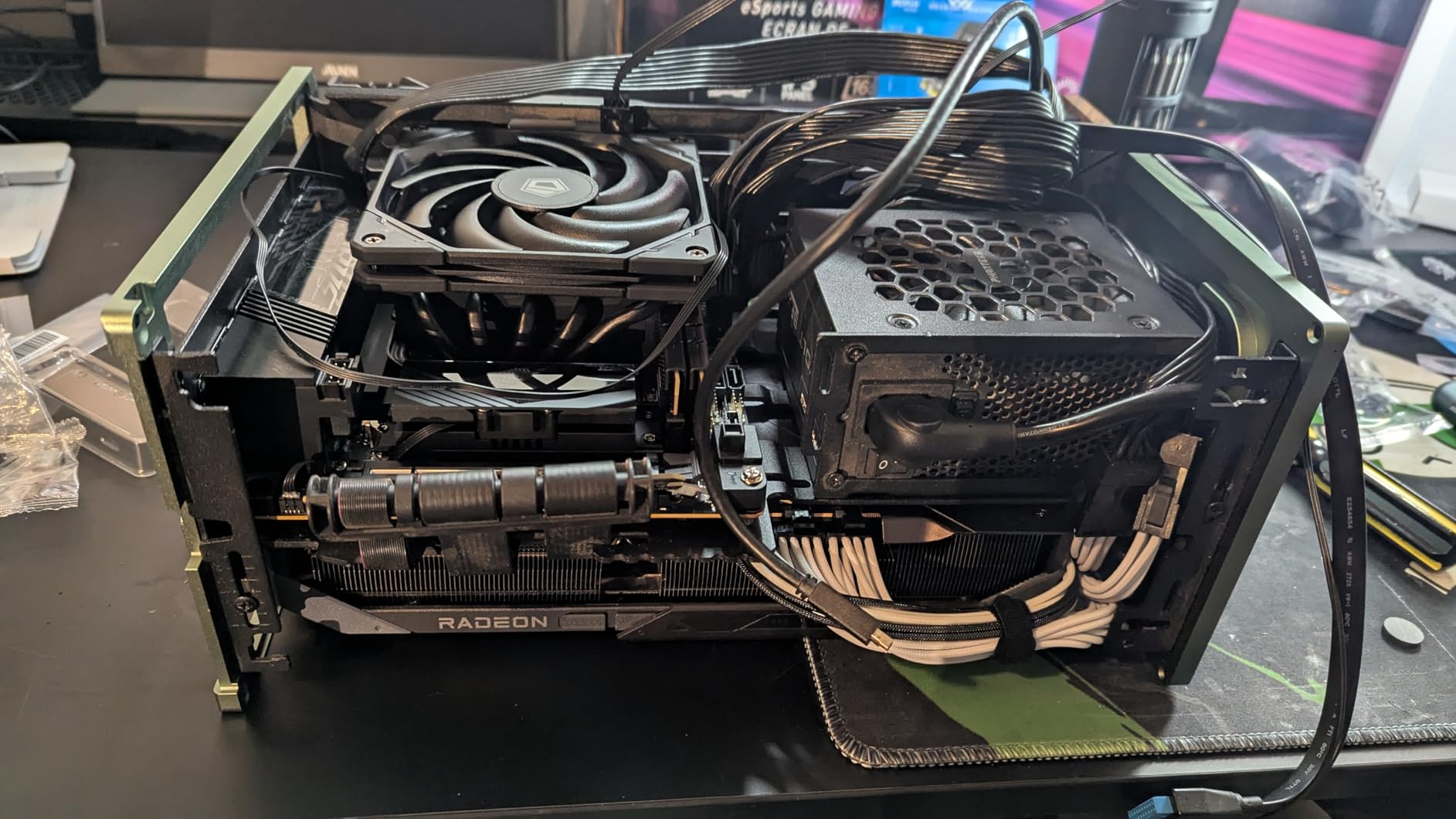
Fan speed runs to 3300 rpm with a listed noise range of 13.8 to 31.2 dB(A). That top end is a real consideration: the fan becomes audible at maximum RPM in restricted airflow, which is exactly the situation inside a sealed 8-litre chassis. Set a conservative fan curve and it stays civilised.
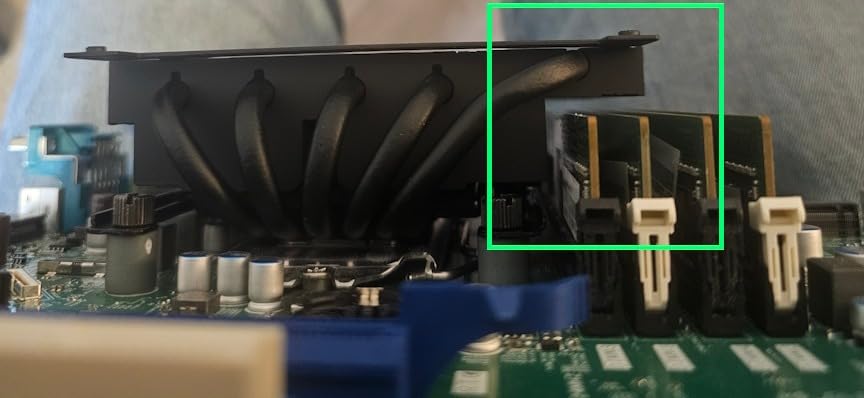
Mounting covers Intel LGA1851, LGA1700, LGA1200, LGA1151, LGA1150, LGA1155, LGA1156 and AMD AM5 and AM4, and the fan can be removed during installation, which is a small courtesy that saves knuckles in a cramped case. RAM compatibility on Mini-ITX motherboards is reported as good, with airflow reaching over low-profile memory.
Who the IS-55 suits
It suits builders with 55mm to 60mm of clearance running a processor that would otherwise need a power limit. The reported temperatures on high-end chips in 8 to 13 litre cases are the strongest in this roundup for that envelope, and that is exactly the situation this cooler is shaped for.
It also suits anyone who wants a full-size 120mm fan in a small case. If you dislike the thin, whistly sound of 92mm slim fans, this is the pick, with the trade-off that you must cap its maximum speed.
Who should skip the IS-55
Skip it if you need 45mm or less. At 57mm it is the tallest pick that still counts as genuinely low profile, and it will not go into a 47mm envelope no matter how the fan is mounted. Skip it also if you want the quietest possible machine and are unwilling to tune a fan curve.
Two practical warnings. The included fan screws are too short for most aftermarket 15mm slim fans, so if you plan to swap the fan, buy the right screws. And there is at least one report of a missing AMD bracket and screws in the box, so check the contents before you start.
6. Thermalright AXP90-X47 – 47mm Full Copper And Real Performance
Thermalright AXP90-X47 Full Cooper Low Profile CPU Cooler, with 92mm TL-9015R Slim PWM Fan ITX CPU Cooler, AGHP Technology, 47mm Height,for AMD AM4 AM5/Intel 1700/1150/1151/1200/1851(AXP90 X47 Full)
47mm tall
Full copper
4x6mm heatpipes
92mm TL-9015R fan
22.4 dB(A) or less
Pros
- Best-performing 47mm cooler available
- Full copper construction is unusually capable for the size
- Keeps mid-range Ryzen and Core chips cool
- Reported to fit DeskMeet and Terra style enclosures
- Inexpensive relative to its performance
Cons
- Mounting is awkward and the manual is confusing
- AM4 backplate and standoffs can bow the motherboard
- Included fan is louder than a Noctua slim fan
- Reports of missing screws or used examples
This is the performance pick under 50mm, and the reason is the material. Unlike most coolers at this height, which use an aluminium base with a thin copper plate, the AXP90-X47 is a full copper platform: four 6mm heat pipes, AGHP reflow soldering and a backplate fastener holding the whole assembly together.
The result, according to owner reports, is worth roughly 100 Cinebench points over thinner alternatives in ultra-thin cases. Reviewers single it out as the strongest 47mm air cooler available, and it handles a Ryzen 5 7600X, a 7800X3D and an i5-12500T without drama.
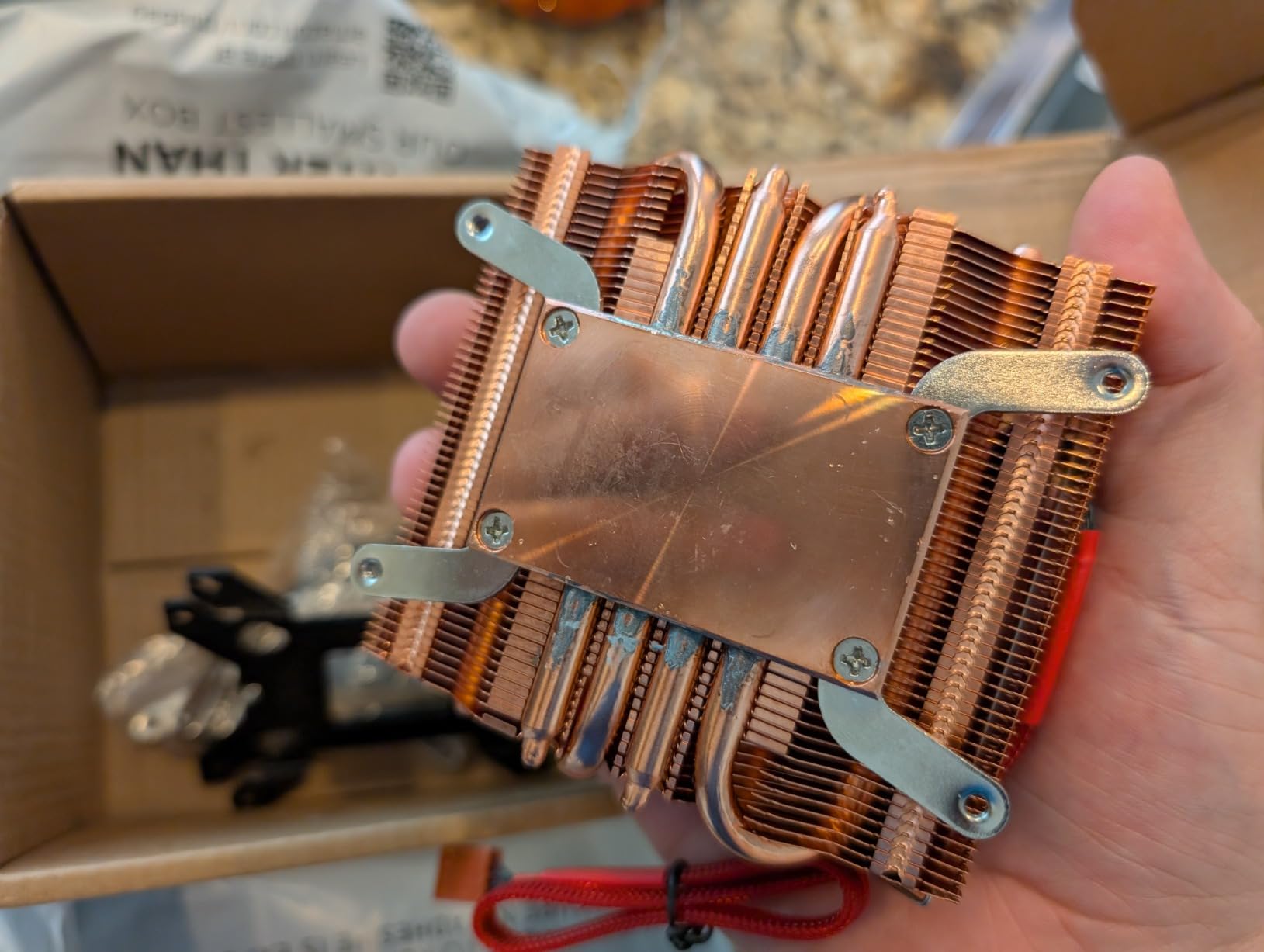
The 92mm TL-9015R slim PWM fan is rated at 22.4 dBA or less, 42.58 CFM of airflow and 2700 rpm maximum. That is a respectable paper figure for a 15mm fan, though owners repeatedly note the fan is noticeably louder than a Noctua slim unit delivering similar results, so acoustic expectations should be set accordingly.
It fits the enclosures people actually build in. Reviewers confirm it works in DeskMeet, Terra and other ultra-compact cases, and it supports Intel 115X, LGA1200 and AMD AM4 and AM5. It runs 3.6W and weighs 1.5 pounds, which is heavier than most of this list and worth remembering in a sandwich layout.
Who the AXP90-X47 suits
It suits builders with 45mm to 50mm of clearance who want the most cooling they can physically get, particularly in DeskMeet and Terra style enclosures where a 57mm cooler simply will not go. If you are running a mid-range chip in an ultra-thin case, this is the pick.
It also suits people who have been disappointed by aluminium low-profile designs. The full copper construction is a genuine step up in junction-to-IHS thermal transfer at this height, and reviewers describe it as unusually capable for the size.
Who should skip the AXP90-X47
Skip it if installation effort bothers you. The most common complaints cluster around mounting: the manual is confusing about backplate use, the AM4 backplate and standoffs can bow the motherboard when tightened, and on some boards the orientation has to be worked out carefully. Budget extra time and read the diagrams before you start.
Skip it for maximum silence, since the included fan is the loudest thing at this height. And check the box on arrival, because there are several reports of missing screws or units arriving used.
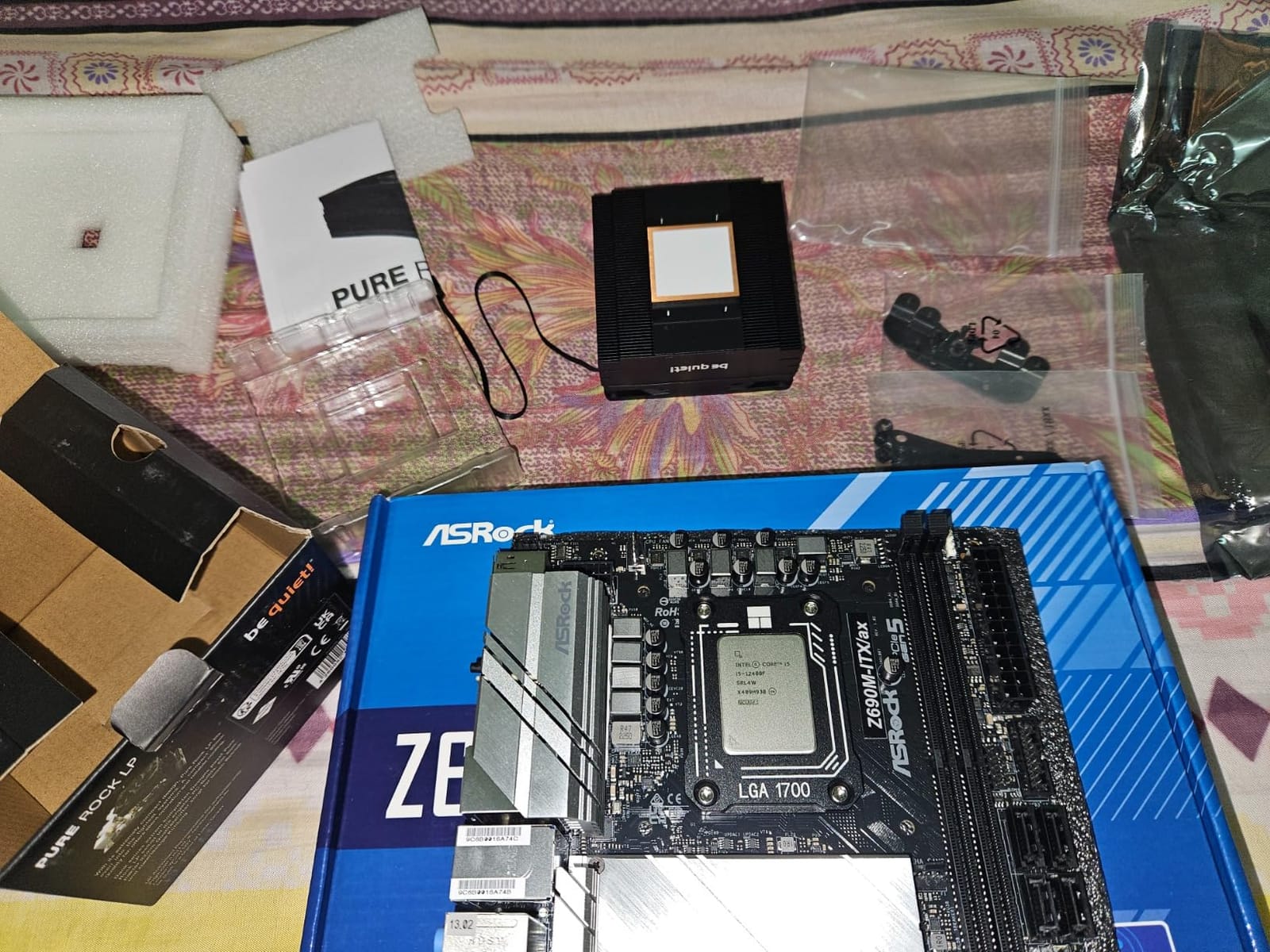
7. be quiet! Pure Rock LP – 45mm And The Quietest Pick Here
be quiet! Pure Rock Low Profile 100W TDP CPU Cooler | Intel 1700 1200 1150 1151 1155 | AMD -AM5 AM4 | BK034
45mm tall
Copper heatpipes
100W TDP rating
92mm fan
30.6 dB(A) max
Pros
- Exceptionally quiet in side-by-side comparisons
- 45mm height fits the tightest ultra-slim chassis
- Copper heatpipes solved throttling where cheap alternatives failed
- Minimalist RGB-free styling
- Good build and packaging quality
Cons
- Intel bracket spacing is poorly documented
- Not adequate for unrestricted high-TDP chips at stock power
- Assembly order matters because paste is pre-applied to the fan
The name is the pitch, and owners back it up. Reviewers describe this 45mm cooler as quieter than Noctua slim alternatives in side-by-side testing, and for a shared room or a library-adjacent study space that is the deciding factor. The 92mm fan is rated to a maximum of 30.6 dB(A) at 2500 rpm with 33 CFM of airflow.
It is also a genuinely capable design rather than a quiet compromise. The copper heat pipes are rated for 100W TDP, and one owner reports that they solved throttling in an industrial all-in-one case where cheaper aluminium alternatives had failed outright.
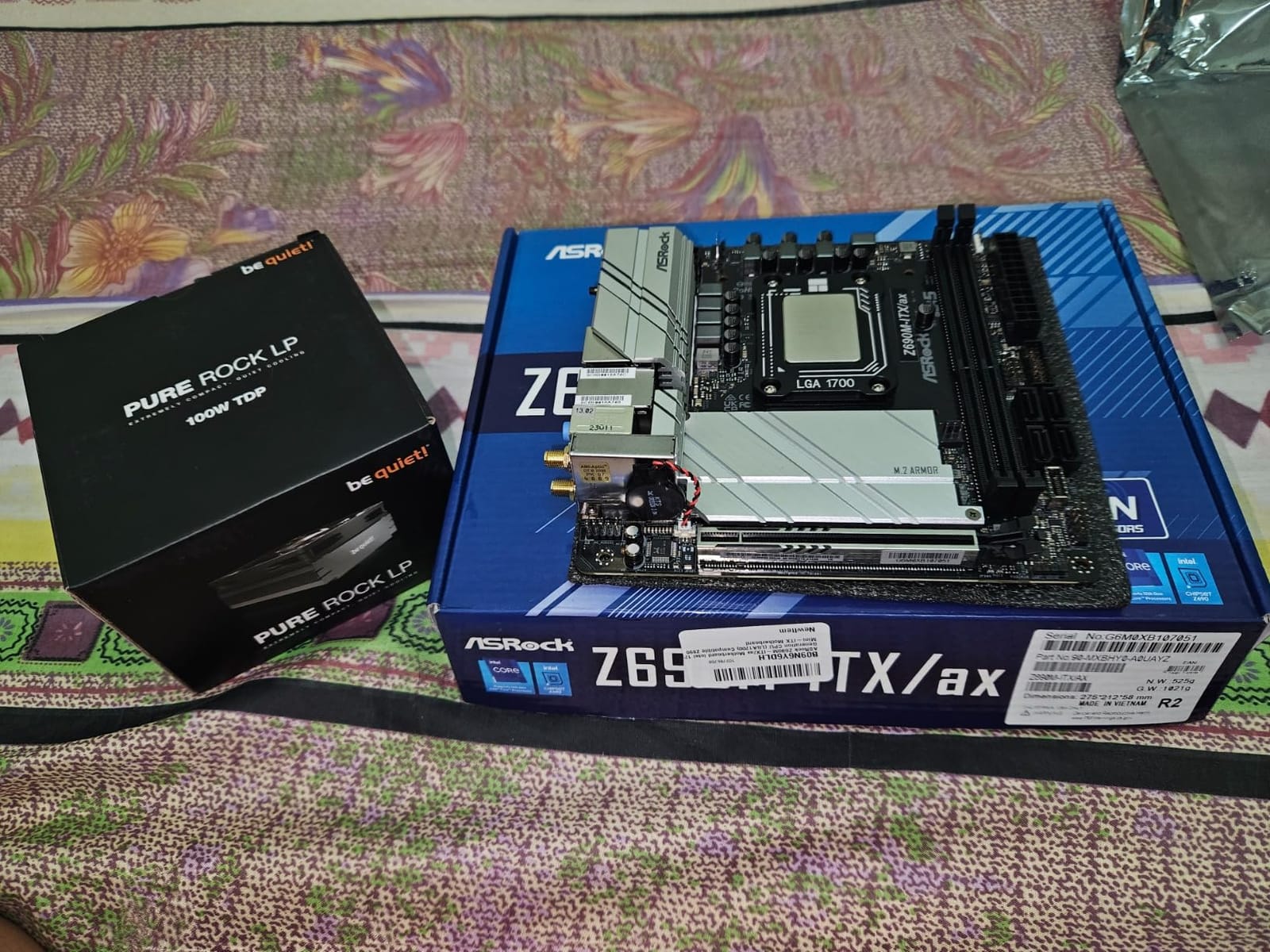
Socket support is the broad list you would hope for: Intel LGA1700, LGA1200, LGA1150, LGA1151 and LGA1155, plus AMD AM5 and AM4. At 45mm it suits the tightest ultra-slim small-form chassis, and the minimalist RGB-free styling keeps a clean build clean.
It weighs 360 g and comes in black or silver, so matching a case interior is straightforward. There is no backplate complication mentioned by owners, which matters in a chassis where removing the board to fit one is a multi-hour job.
Who the Pure Rock LP suits
It suits anyone whose small case sits on a desk near people, and anyone who has decided that acoustics beat peak temperatures. A 45mm height with a quiet fan and no lighting loops is a rare combination that works in dorm rooms, shared flats and quiet offices.
It also suits builders on 65W to 100W chips who want margin. The 100W TDP rating gives real headroom over a 65W processor without needing the compromises of a 37mm design.
Who should skip the Pure Rock LP
Skip it for unrestricted high-TDP chips at stock power. That is the stated limit of the design, and no amount of fan tuning changes it. If your CPU can pull well past 100W without a power limit, you need more metal area than a 45mm stack can offer.
Read the bracket documentation first, because that is the recurring complaint. Two Intel bracket positions are not clearly explained, and the assembly order matters since the thermal paste is pre-applied to the fan. Getting it wrong means cleaning both surfaces and starting again.
8. ID-COOLING IS-40X V3 – 45mm For The Tightest Budget
ID-COOLING IS-40X V3 45mm Low Profile CPU Cooler, 4 Heatpipes, Slim Fan
45mm tall
4 heatpipes
92mm PWM fan
46 CFM max
35.2 dB(A) max
Pros
- Very affordable ultra-slim 45mm option
- Four heat pipes hold moderate-wattage chips in check
- 92mm PWM fan supports automatic speed control
- Good RAM clearance on Mini-ITX boards
Cons
- Noisier under load than Noctua slim alternatives
- Only suitable for low-to-moderate TDP processors
- Needs case airflow to move heat out of a sealed chassis
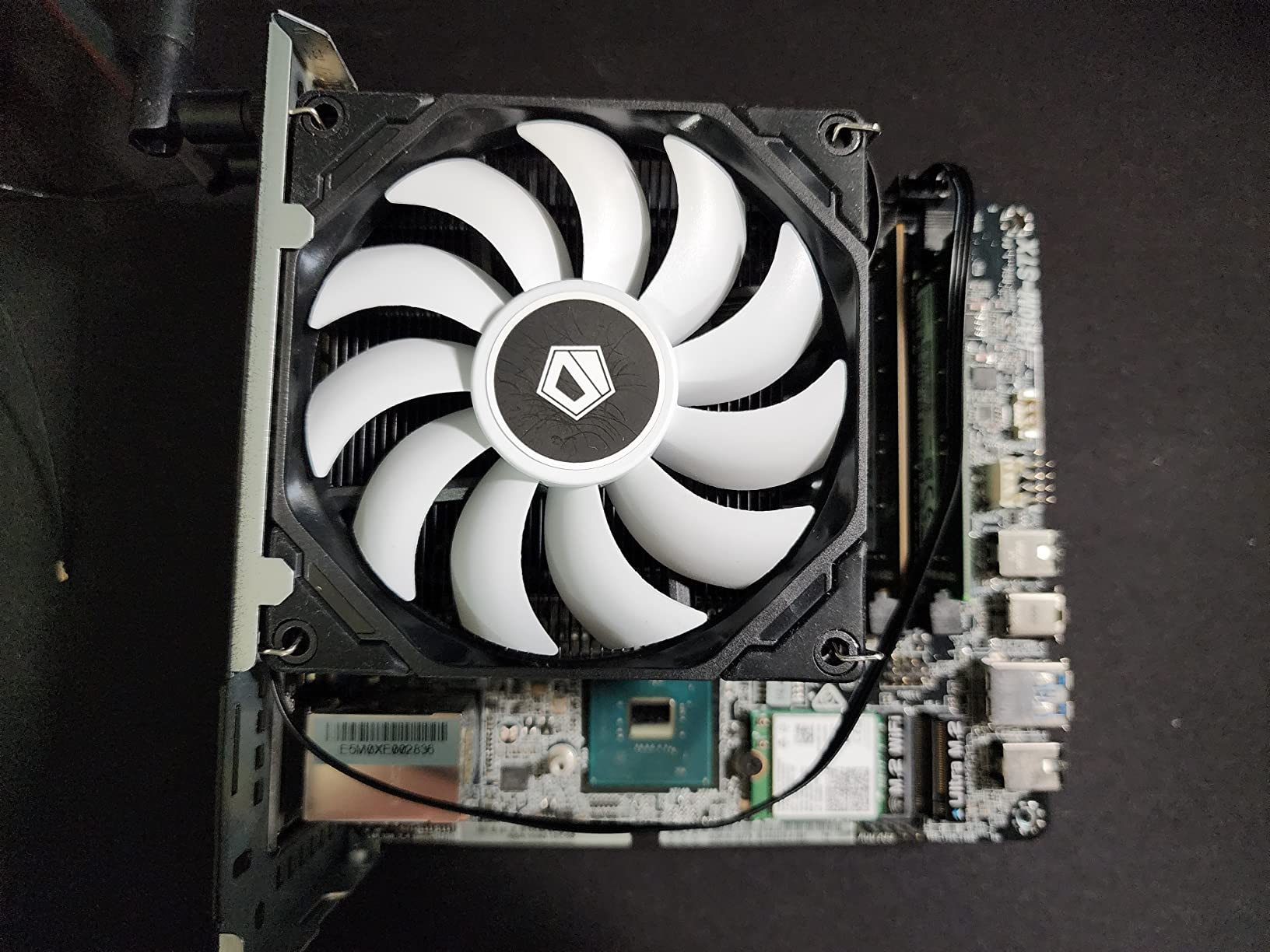
The 45mm tier has two serious options and this is the inexpensive one. Four heat pipes and a 92mm PWM fan give it more thermal substance than the bare 37mm ultra-low-profile designs, and reviewers confirm it holds moderate-wattage processors in check. Mounting covers Intel LGA1700, LGA1200, LGA1151, LGA1150, LGA1155, LGA1156 and AMD AM5 and AM4.
Airflow is rated at 44.3 CFM with a claimed 46 CFM, and the fan tops out at 2500 rpm. Noise is the trade-off: a listed 33 dB with a 35.2 dB(A) ceiling, and reviewers consistently describe it as noisier under load than premium slim alternatives.
RAM compatibility on Mini-ITX boards is reported as good, and the cooler weighs 11.2 ounces, which is light enough not to stress a small board. That low mass matters more than it sounds in a sandwich layout where the board is mounted to a bracket rather than a full-size tray.
It is only suitable for low-to-moderate TDP processors, and it needs case airflow to move heat out of a sealed small chassis. That second point is the one people miss: a low-profile cooler dumps its heat into a small volume of air, and if nothing moves that air out, the heat stays with the CPU.
Who the IS-40X V3 suits
It suits builders with 45mm to 50mm of clearance on a budget, running a 65W-class processor in a case that has at least one exhaust fan. The four heat pipes give it more margin than the 37mm class, so it is a comfortable fit for light gaming and general use rather than idle-only work.
It also suits anyone who wants current socket coverage in a small footprint. The bracket list covers both current major platforms, so this survives an upgrade within the same case.
Who should skip the IS-40X V3
Skip it for silence. The 35.2 dB(A) ceiling is audibly higher than the premium 45mm options, and in a small case that noise is close to your ear. If quiet matters, the be quiet! Pure Rock LP occupies the same height tier for a reason.
Skip it for hot chips and for sealed cases. Above roughly 95W, or in a chassis with no exhaust airflow, this cooler will not keep up, and you will end up chasing noise as the fan spins up to compensate.
9. Thermalright AXP120-X67 – 67mm Where A 120mm Fan Fits
Thermalright AXP120-X67 Low Profile CPU Air Cooler with Quite 120mm TL-C12015 PWM Fan, 6 Heat Pipes, 67mm Height, for AMD AM4/Intel LGA 1700/1150/1151/1155/1851/1200/2011/2066
67mm tall
6x6mm heatpipes
120x15mm PWM fan
59 CFM max
26.1 dB(A) or less
Pros
- One of the strongest low-profile air coolers available
- Handles a 14700KF in a small form factor build
- Standoffs clear capacitors in OEM machines
- Quiet even at full fan speed
- Generous tube of included thermal paste
Cons
- Heatsink will not clear tall RAM heat spreaders in one orientation
- Some examples come with thick paste that spreads poorly
- Included fan durability questioned after long use
At 67mm you have room for a 120mm fan, and that single fact is why this cooler out-cools nearly everything above it on this list. Six 6mm heat pipes run through an AGHP-treated copper base with full electroplating reflow welding, and the 123.5 by 120 by 67mm body is genuinely substantial metal for a low-profile design.
Reviewers place it at or above the other 67mm-class coolers, including by half a degree to a full degree against the Scythe Big Shuriken 3 Rev B. It handles an i7-14700KF in a small form factor build without problems, which is a meaningful claim for a part this short.
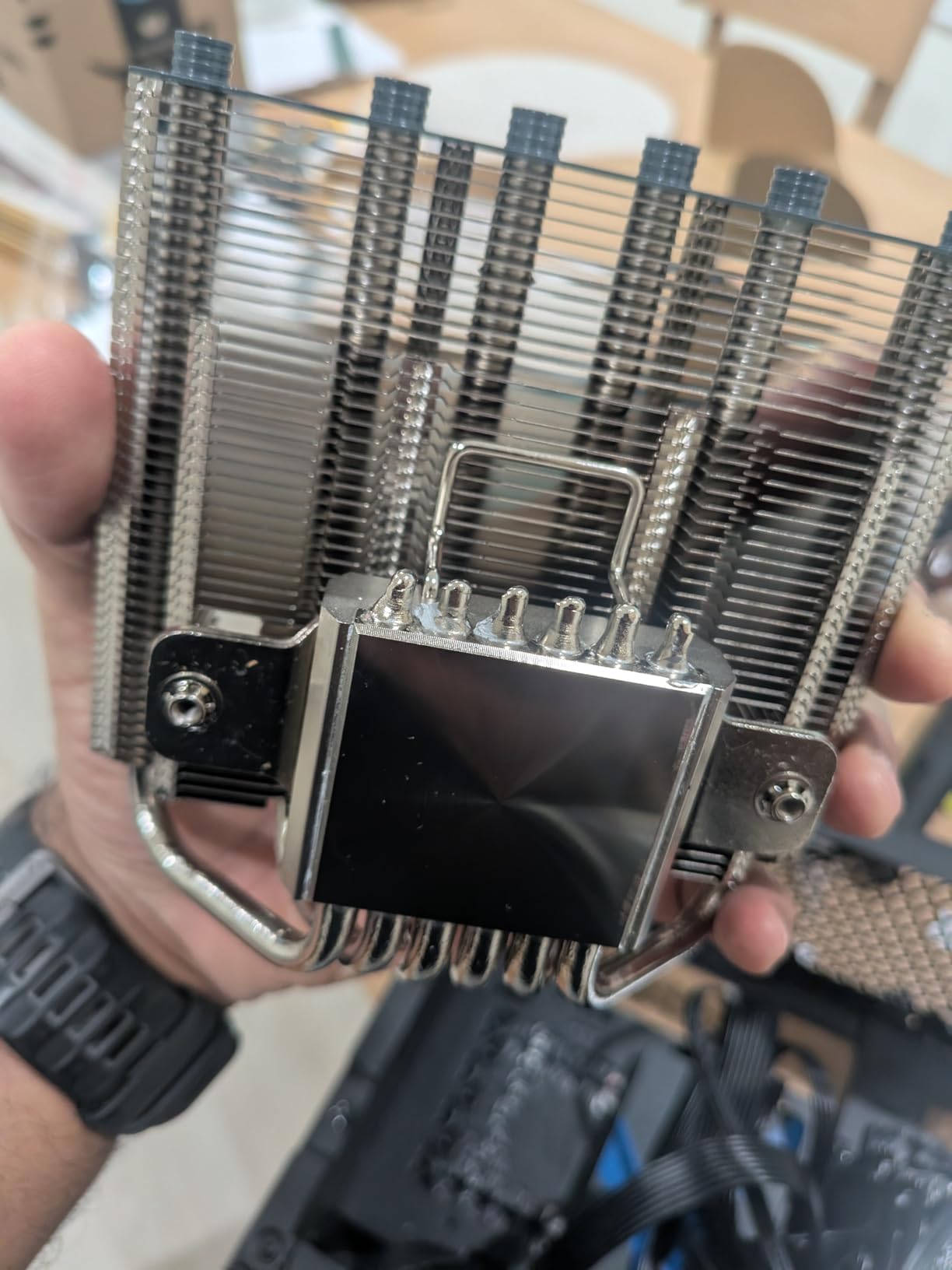
The TL-C12015 fan is a 120x120x15mm PWM unit running to 1800 rpm with 59 CFM maximum airflow and a listed ceiling of 26.1 dB(A). Reviewers describe it as quiet even at full fan speed, which is unusual for a 120mm slim fan and is the result of the low 1800 rpm ceiling.
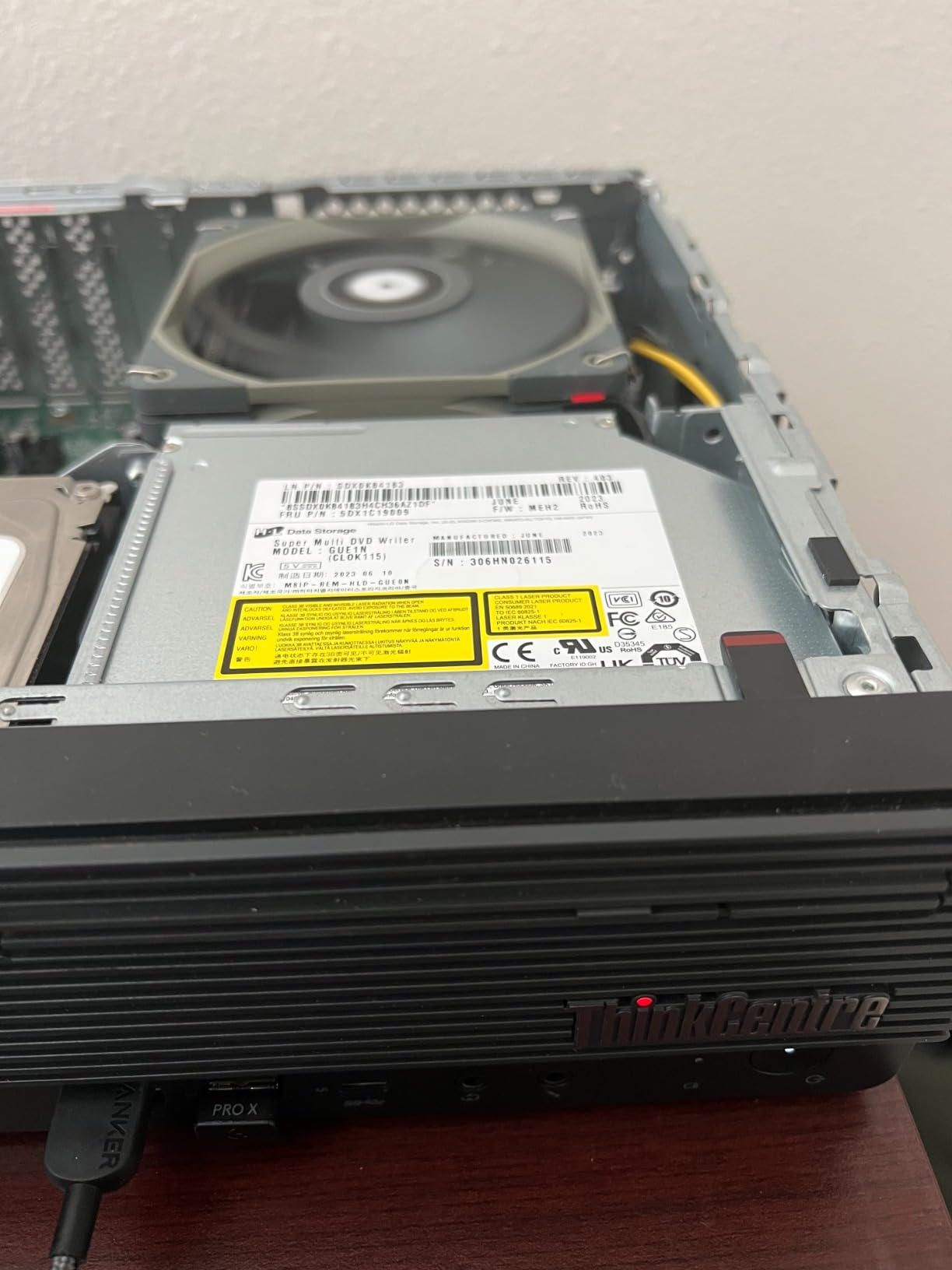
Socket support runs across Intel LGA1700, LGA1150, LGA1151, LGA1155, LGA1156, LGA1200, LGA2011, LGA2066 and 17XX, plus AMD AM4. The adjustable standoffs also let the body clear capacitors in OEM machines such as the ThinkCentre M70S, which is a genuinely useful detail when repurposing office hardware.
Who the AXP120-X67 suits
It suits builders with 65mm to 70mm of clearance who want maximum performance without leaving small-form-factor territory. A 14700KF in a compact SFF chassis is exactly the scenario owners report, and it is a chip that most low-profile coolers refuse outright.
It also suits people who want a 120mm fan’s airflow but not a 120mm fan’s height, and anyone fitting cooling into an OEM machine where capacitor clearance is the deciding factor.
Who should skip the AXP120-X67
Skip it if you run tall heat-spreader memory. The heat sink will not clear tall RAM heat spreaders in one orientation, and some boards require rotating the cooler 90 degrees to fit at all, which is a trap worth checking against your motherboard layout before ordering.
Check the included paste. Some examples arrive with compound that is thick and spreads poorly, and owners have questioned stock fan durability after roughly two and a half years of continuous use. If you are building something intended to last, plan on replacing the fan at some point.
10. Cooler Master i70C – 70mm For Intel LGA1700 Upgrades
Cooler Master i70C ARGB Low Profile CPU Air Cooler for Intel LGA 1700/1851 Only – 120mm PWM ARGB Fan, 95W TDP, Copper Core Base, Black Aluminum Heatsink
70mm tall
95W TDP rating
120mm ARGB PWM fan
650-1800 RPM
LGA1700 and 1851
Pros
- Substantially better thermals than the Intel cooler it replaces
- Silent at idle and light load
- ARGB syncs with common motherboard software
- Screw-on mounting is more robust than push-pins
- Good fit for low-wattage Core i3 and i5 chips
Cons
- Intel LGA1700 and 1851 only with no AMD support
- 95W TDP ceiling excludes flagship CPUs
- One user found it about 2.5mm taller than their case allowed
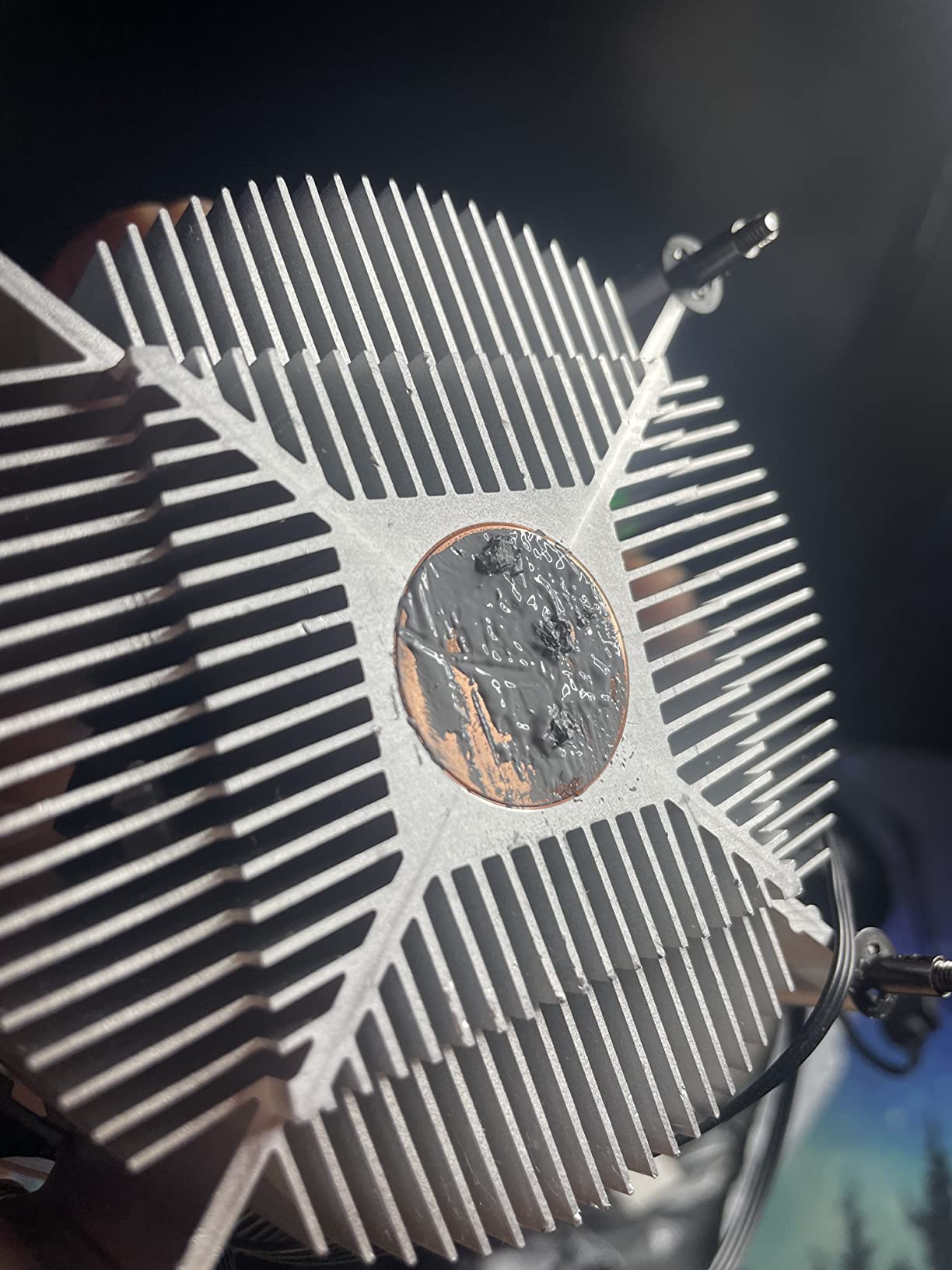
The starting point for a lot of small Intel builds is genuinely bad. The cooler Intel ships in the box is a stamped steel cover over a small aluminium block, and owners consistently describe this as a substantial thermal upgrade over it. The design pairs black anodised aluminium fins with a copper insert base, rated for 95W TDP.
At 70mm it is the tallest air cooler in this roundup, which makes it a natural fit for slim microATX towers and the slightly larger small-form chassis that still list 70mm or more of clearance. The 120mm PWM fan adjusts from 650 to 1800 rpm, and ARGB lighting on frosted blades syncs with common motherboard software.
It is quiet where it counts. Owners report silence at idle and light load, with only slight noise in burn-in testing, and 28 dB listed at full speed is competitive for a 120mm unit. For an office-class machine that spends most of its life at low load, that profile is exactly what you want.
The mounting is another quiet advantage. The redesigned simplified brackets for LGA1700 and LGA1851 use screws rather than Intel’s push-pins, and owners call that more robust. It weighs 0.41 kg and carries a 2 year warranty.
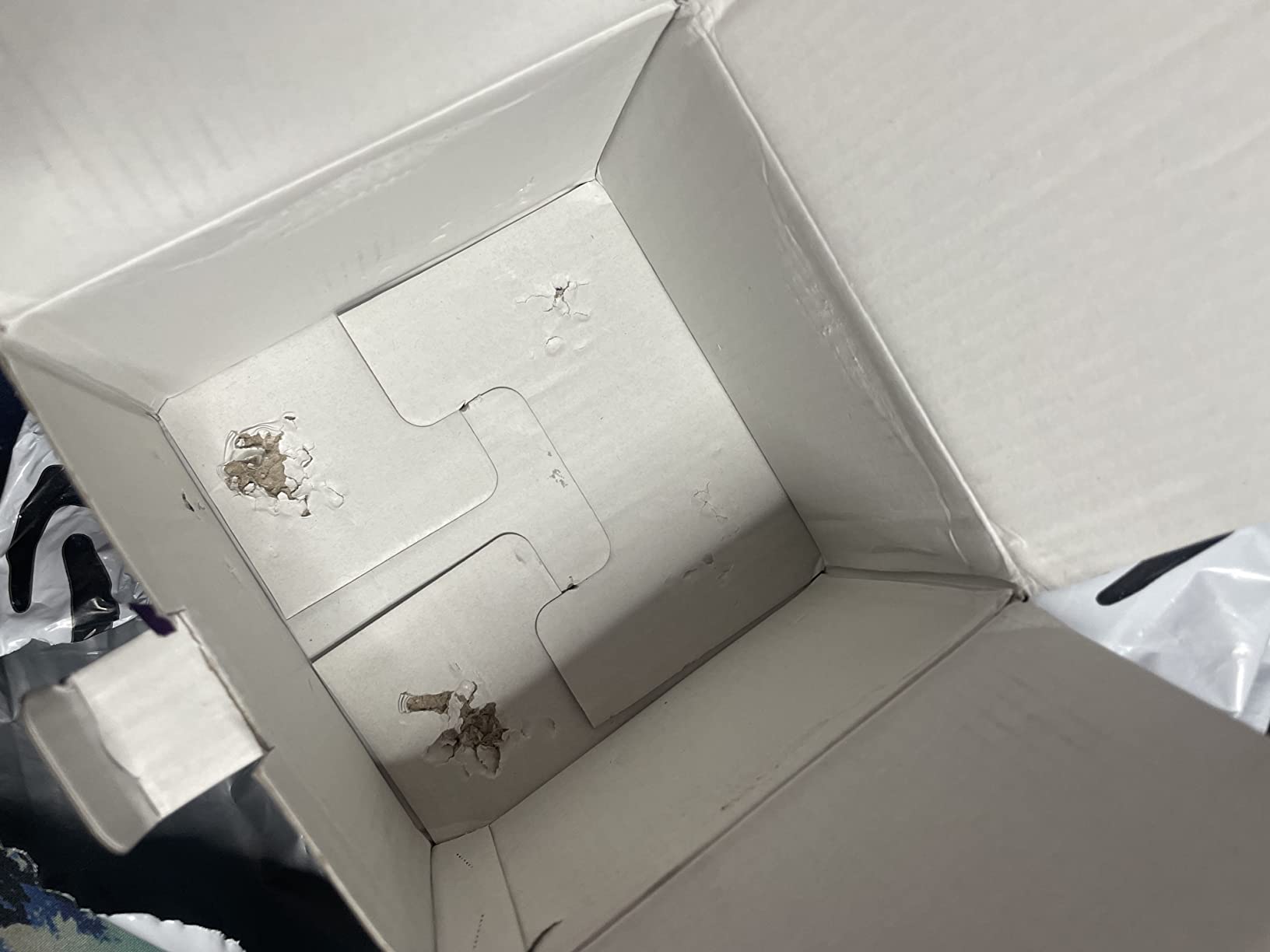
Who the i70C suits
It suits someone building a small Intel system around a Core i3 or i5 in the 65W to 95W range, especially in a slim microATX tower with about 70mm of clearance. It also suits builders who want lighting in a chassis that has no window side panel to show it off through, which is a common small-case situation.
It is also a good choice if your previous Intel cooler was damaged or removed and you want a direct, screw-in replacement without learning a new mounting system.
Who should skip the i70C
Skip it on AMD. This is Intel LGA1700 and LGA1851 only, which is a real limitation if you might change platforms in the same case. Skip it for flagship silicon too, because the 95W TDP rating rules out hot unlocked Core i9 parts.
Measure your clearance carefully. One user found the unit about 2.5mm taller than their case allowed, which is a small margin and a reminder that a nominal 70mm spec is not a guarantee. If ARGB is not something you will use, you are paying for a feature you will not see.
11. ID-COOLING SE-903-XT V2 – Compact Tower For Slim mATX Chassis
ID-COOLING SE-903-XT V2 Black Compact CPU Air Cooler, 3 Heatpipes, 150W
3 direct-touch heatpipes
150W rating
100mm PWM fan
Universal Intel and AMD bracket
Pros
- Very low cost with cooling that beats a Wraith Stealth
- Near-silent in practice with strong airflow
- Clean non-RGB look suits stealth builds
- Easy installation with the universal bracket
- Low-profile footprint works in small and mATX cases
Cons
- Fan clips are extremely tight and can slip during fitting
- Included thermal paste quantity is minimal
- Manual is needed to work out the mounting sequence
Not every small case is under 70mm. Slim microATX towers and compact mid-towers often clear a short tower even though they reject anything full size, and this is an inexpensive way to get a real tower heat sink into that gap. Three direct-touch heat pipes rated to 150W with a 100mm PWM fan, 47.1 CFM and 29.1 dB listed.
Owners report cooling that beats a Wraith Stealth on a Ryzen 5 2600X while running near-silent in practice, which makes it a strong step up if you are still running the cooler your processor shipped with. The direct-touch design puts the heat pipes in contact with the processor’s heat spreader rather than routing through a separate base block.
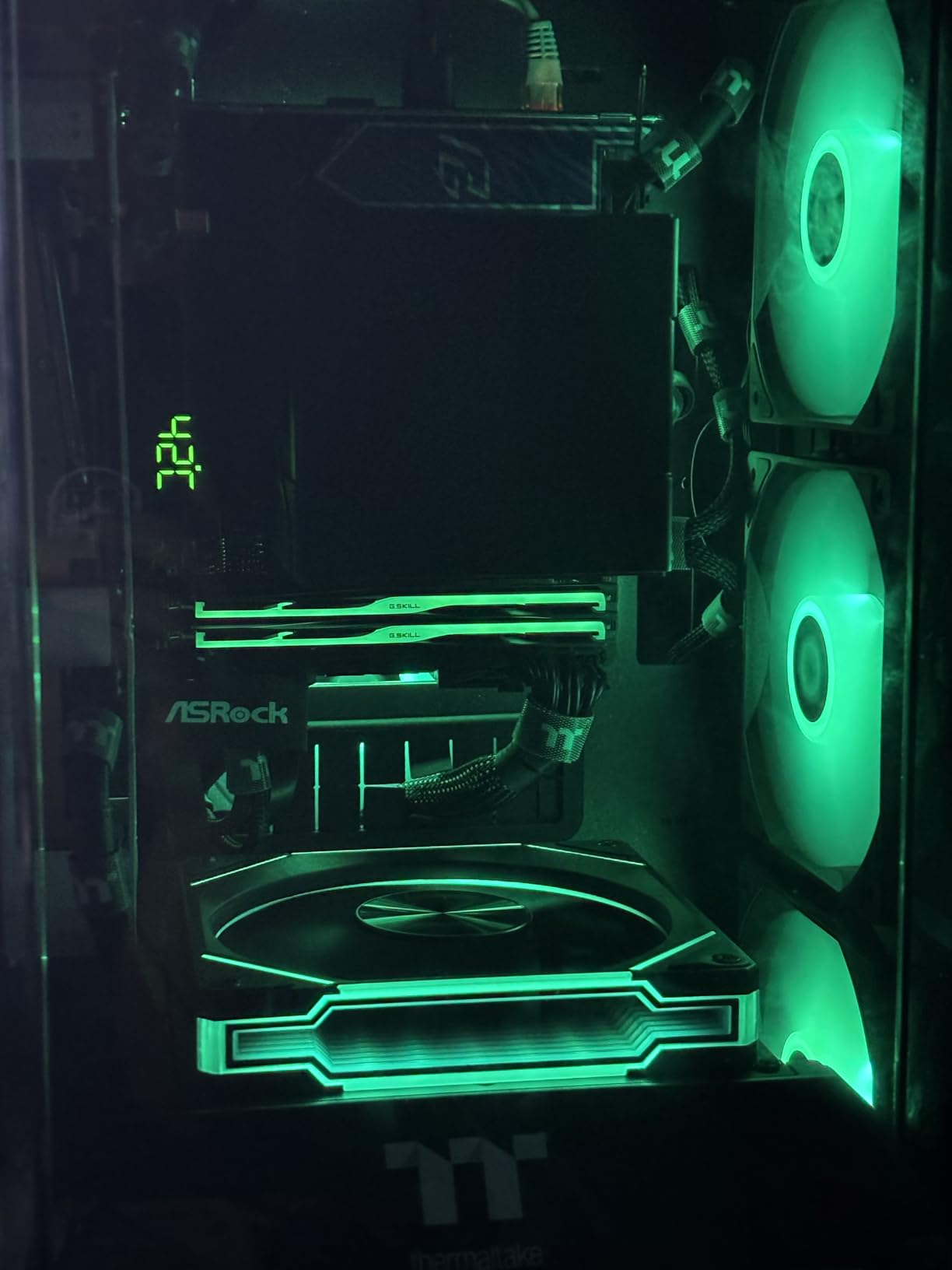
This revision replaces the earlier 92mm fan with a 100mm unit, upgrades the fin-lock structure and reinforces the fan clips. The compact footprint is designed to avoid RAM and motherboard component interference, and the styling is deliberately plain black with no lighting, which suits stealth and all-white builds.
It also carries a 2 year warranty and a universal mounting bracket covering both Intel and AMD platforms, so it is a portable choice if you move between systems.
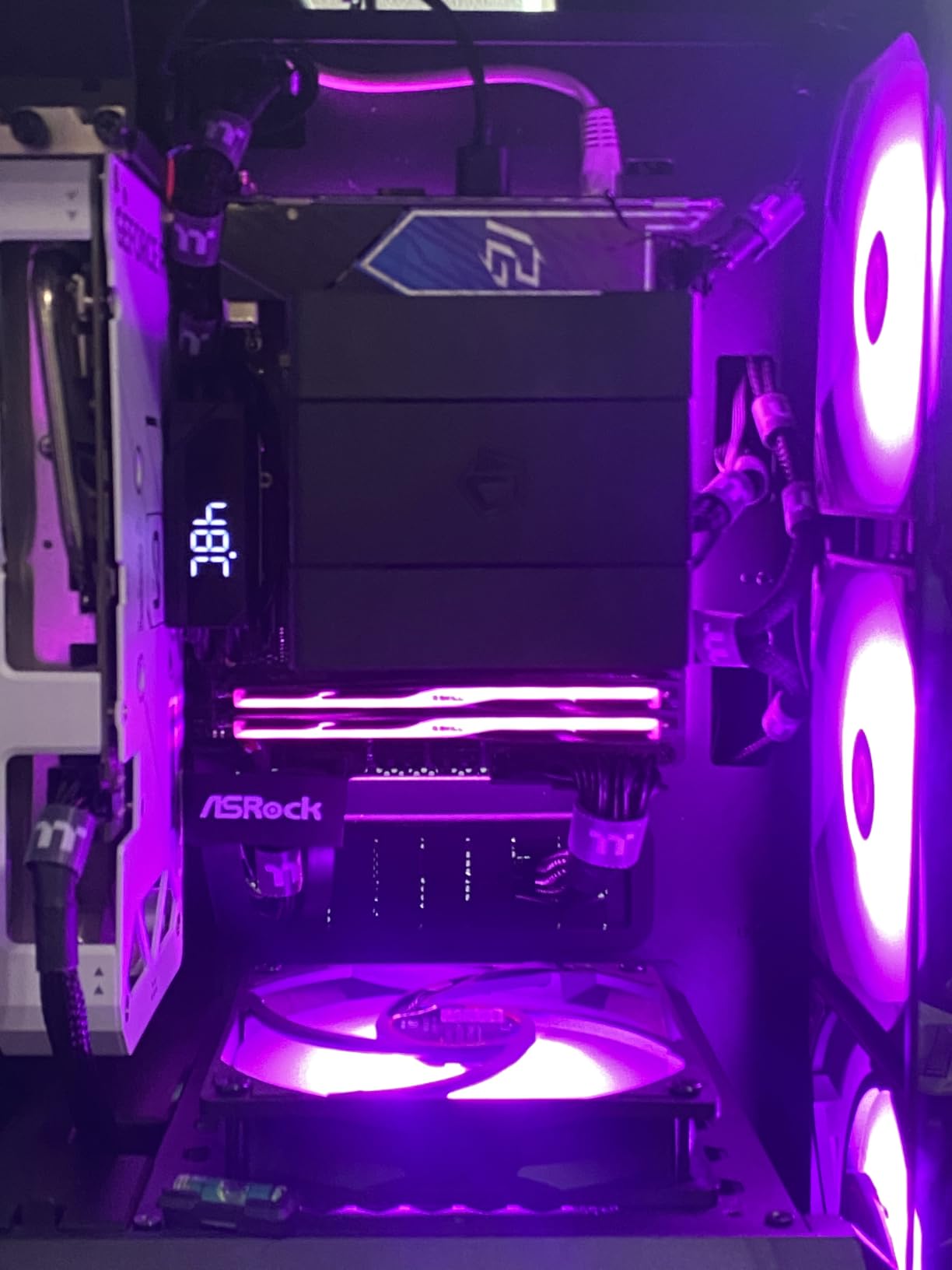
Who the SE-903-XT V2 suits
It suits builders in slim microATX towers and compact mid-towers who have more than 70mm of clearance and want a proper heat sink rather than a low-profile compromise. It also suits anyone upgrading from a stock cooler on a modest Ryzen chip and expecting a measurable improvement.
It suits buyers who want no lighting and no fuss. A plain black tower with a 100mm fan and a universal bracket is one of the least complicated installs in this list.
Who should skip the SE-903-XT V2
Skip it for a true sub-70mm SFF chassis. Because it is a tower rather than a low-profile design, it will not fit the tightest enclosures, and the compact footprint is designed to avoid RAM rather than to fit under a tight panel. Check your case’s published maximum height first.
Mind two things at installation. The fan clips are extremely tight and can slip or catch fingers while fitting, and the included paste quantity is minimal, which matters more on AM5 than on older platforms. Bring your own compound if you are comfortable doing that.
12. Thermalright Aqua Elite 240 V3 – The Liquid Option For Cases With Radiator Room
Thermalright Aqua Elite 240 V3 Water Cooling CPU Cooler, Double PWM ARGB Fans with S-FDB Bearings,Efficient PWM Controlled Pump,for AMD/AM4/AM5, Intel LGA1150/1151/1200/1700/1851, (AE240 V3)
240mm cold plate
Dual ARGB PWM fans
Fourth-gen pump
66.17 CFM
25.6 dB(A) or less
Pros
- Strong performance for a 240mm ARGB AIO
- Quiet running reported by owners
- ARGB syncs with 5V 3-pin motherboard headers
- Low-profile pump block suits a close side panel
- All mounting hardware and paste included
Cons
- Written instructions are unclear for RGB hookup and bracket alignment
- Stiff tubing makes routing in tight cases awkward
- Can get hot and loud with very high-TDP Intel chips
Here is the important framing, and it is repeated constantly on builder forums: an AIO is not a low-profile cooler. A liquid cooler needs room for a radiator, a fan against that radiator, and enough slack in the tubes to bend without kinking them. All three count against your clearance budget, which is why liquid cooling appears exactly once in this roundup.
With that said, if your case has a 240mm mounting point, this is a capable option. The 240mm cold-plate unit comes with dual TL-C12B-S V2 120x120x25mm ARGB PWM fans rated at 66.17 CFM and 25.6 dB(A), plus a fourth-generation octagonal pump head rated to 40,000 hours at up to 2800 rpm. Owners report 10 to 25C temperature reductions in enclosed builds.
The pump block itself is shallow, and owners specifically praise that it fits cases where a side panel sits close to the board. That is not the same as the whole unit fitting, though, because the radiator plus fan stack is what determines whether the build closes, and you still need tube routing room on both ends.
Mounting covers AMD AM4 and AM5 and Intel LGA1150, LGA1151, LGA1155, LGA1156, LGA1200 and LGA1700. ARGB syncs with 5V 3-pin motherboard headers, and the whole mounting kit plus thermal paste is included.
Who the Aqua Elite 240 V3 suits
It suits builders with a 240mm radiator mount, whether top or front mounted, who want the thermal headroom of liquid cooling without stepping up to a much larger and more expensive unit. Owners report turning a loud build into a near-silent one, which is a genuine win in a shared space.
It also suits anyone whose case has a close side panel near the board, since the low-profile pump block is not the problem in a cramped chassis. The radiator position is.
Who should skip the Aqua Elite 240 V3
Skip it if your chassis has no 240mm mount and no room to hang a 240mm radiator plus a 25mm fan. Do not attempt to solve a clearance problem with liquid cooling, because the radiator is usually the thickest object in the whole build.
Skip it if you dislike ambiguous instructions or stiff tubing. The written instructions are unclear on RGB hookup and bracket alignment, the tubing is stiff enough to be awkward in tight routing, and the brackets are fiddly to line up on some motherboards. Very high-TDP Intel chips can also get hot and loud.
Low Profile vs Ultra Low Profile vs Slim Tower
The most useful way to shop for a small case is by tier, because each tier changes what you can fit thermally. Ultra low profile means under 40mm, low profile means roughly 40 to 70mm, and slim tower means 70mm and above. The thinner the cooler, the less metal you get, so the more the processor has to be helped along with a power limit.
Ultra low profile, under 40mm. Essentially the 37mm class, represented here by the Noctua NH-L9a-AM4. It fits the thinnest ITX and HTPC enclosures and leaves every slot on the board accessible, but it is designed for low-wattage processors and is limited to a single socket family per model.
Low profile, 40 to 70mm. The widest and most useful band. This is where a 120mm fan becomes possible at 57mm, where a full copper 47mm design becomes possible, and where the thermal trade-off stops being severe. Most of the picks on this list live here.
Slim tower, 70mm and up. Real fin stacks, 100mm and 120mm fans, and enough capacity for 95W to 150W chips. Available in small microATX towers and some compact SFF cases, but not in anything under about 12 litres.
Within the low-profile band, two other distinctions matter. First, fan size: a 92mm slim fan and a 120x15mm fan of the same height do completely different amounts of work, which is why the 57mm and 67mm picks outperform the 45mm ones. Second, construction: full copper platforms like the AXP90-X47 transfer heat better than aluminium designs at the same height.
Fan orientation is the third decision inside this band, and it is rarely checked before purchase. Fan-on-bottom is the standard orientation and gives the full cooler height. Fan-on-top on a dual-fan design can raise the total height while trading back RAM clearance, so if your memory is tall, the orientation that lifts the fan above the DIMMs may save the build even if it adds a few millimetres.
Air Cooler or AIO in a Small Case?
For a small case, an air cooler is the right default. It has no pump to fail, no tubes to route, nothing to leak, and it works in whatever orientation the case requires. A liquid cooler is the right answer only when your chassis has a radiator mount and your processor genuinely needs the extra capacity, which for most 65W to 95W parts it does not.
The question of case fans deserves a direct answer, because it comes up constantly. No, case fans do not replace a CPU cooler. Case fans move air through the chassis; the CPU cooler is the heat-transfer device that gets heat off the processor’s heat spreader and into that air. Remove the CPU cooler and you have airflow with nothing to move heat into it.
What case fans do affect is the small-case cooler’s performance. A low-profile cooler dumps its heat into a small volume of air, and a sealed chassis with no exhaust path will let that heat accumulate. Reviewers repeatedly note that budget low-profile coolers need case airflow to move heat out, so a rear or side exhaust is close to mandatory in a compact build.
Where an AIO does earn its place is in replacing a failing pump, or in a case with genuine radiator room and a hot chip. The risks are worth stating plainly: stiff tubing is awkward to route in cramped interiors, pump noise is audible in a quiet room, the radiator plus fan stack is thick, and you need slack in the tubes so they are not kinked. In a build tight enough to need a 37mm cooler, none of that is realistic.
Which Cooler for Ridge, Terra, NR200, T1 and Evolv Shift?
Case names come up more than any other question in small-form-factor forums, because clearance figures on spec pages are generic. In practice, a handful of chassis come up so often that pairing advice is worth stating. Confirm every figure against your own case manual, since board vendors revise mounting positions between revisions.
Fractal Design Ridge and Fractal Terra. The Ridge is an inverted-layout case, and the recurring question on r/sffpc is orientation rather than height. Noctua’s own guidance for the NH-L12 Ghost Edition describes compatibility in orientation 2 for this class of chassis, which is exactly the kind of detail that only surfaces after a failed install. The 47mm Thermalright AXP90-X47 and the 45mm picks are commonly reported as fitting Terra-style envelopes.
Cooler Master NR200. Sandwich-layout cases mount the board against a panel, so the cooler hangs down rather than up. Coolers in the 45mm to 57mm range are the practical choices here, and the ID-COOLING IS-55 at 57mm is worth measuring carefully against the panel standoff before committing.
Formd T1. A taller sandwich volume than the NR200, which gives room for low-profile and short slim-tower designs. The 65mm Noctua NH-L9x65 and the 66mm NH-L12 Ghost S1 are the commonly discussed fits for this class of case, and a 240mm AIO is only realistic in front or side mount.
Phanteks Evolv Shift. A wider small-form chassis that accepts more than a pure ITX board. The 67mm Thermalright AXP120-X67 and the 70mm Cooler Master i70C both fit comfortably here, and a 240mm radiator becomes a realistic liquid option in the right configuration.
How to Choose a Small Case CPU Cooler?
Height is the filter, but four more variables decide whether a cooler that fits is any good. Here is how we weigh them, in the order that matters in practice.
RAM clearance decides more builds than heat does
Tall memory is the number one real-world compatibility problem in small cases, and it is where most returns come from. A 92mm slim cooler inside the socket footprint leaves the first DIMM slot free, while a 120mm fan in some orientations overhangs it. Measure the height of your memory heat spreaders, not just the PCB, because light bars add several millimetres. If you are buying a 45mm or 57mm cooler with a 120mm fan, check the manufacturer statement about RAM compatibility against your board layout.
Socket support and the mounting kit inside the box
Check the socket list, not the socket shape. AM4 and AM5 are physically identical, but the bracket and backplate sets differ, and a cooler sold as AM4-only will not have the hardware you need. The Noctua NH-L9a-AM4 is the clearest example in this roundup. The broad coverage options are the NH-L9x65, the NH-L12 Ghost S1 and the ID-COOLING IS-55, which between them cover LGA1851, LGA1700, LGA1200, LGA115x, AM5 and AM4.
Power limits often beat a taller cooler
If your processor is a modern eight-core chip, capping its package power in firmware frequently recovers most of the thermal headroom you were trying to buy with a taller heat sink. This is the alternative to a taller cooler that almost no editorial guide discusses, and it costs nothing but a settings change. Do it before you shop, then choose a cooler for the heat the chip actually produces rather than the heat it could produce.
Noise is a dBA number and a listening position
Roughly 30 dBA is unobtrusive in a room, and above 38 dBA becomes noticeable at a desk in a quiet space. On this list the listed figures range from 17.6 dB to 35.2 dB. Judge them with two caveats: listed noise is measured at some distance in still air, and installed noise in a small case depends on how much resonance the enclosure adds. If your build lives in a dorm room or a shared flat, the two quietest picks here are worth more than a few degrees of temperature.
Do you even need an aftermarket cooler?
If you are running a bundled 65W non-overclockable processor, the cooler in the box may already be sufficient, and on r/sffpc the Wraith Stealth is repeatedly called the best value SFF cooler precisely because the price to beat is nothing. Establish this before shopping. Spending on a heat sink for a chip that never draws more than 65W is one of the most common wasted upgrades in compact builds.
Frequently Asked Questions
What is the best small CPU cooler?
The answer depends entirely on your available clearance. Under 40mm, the Noctua NH-L9a-AM4 at 37mm is the only realistic option. Between 45mm and 57mm, the Thermalright AXP90-X47 at 47mm gives the best thermals and the ID-COOLING IS-55 at 57mm handles hotter chips. At 65mm to 70mm, the Noctua NH-L9x65 is the default choice for most builds.
What is the best CPU cooler for an SFF case?
SFF spans everything from 4 litres to 25 litres, so the best cooler depends on case volume and mounting layout. In a 4 to 8 litre sandwich chassis you need 37mm to 47mm. In a 10 to 15 litre ITX case, 57mm to 67mm works well. In a small microATX tower, 70mm and above is available. Measure from the motherboard surface to the side panel before choosing.
Do I need a CPU cooler if I have case fans?
No. Case fans move air through the chassis, but the CPU cooler is the device that transfers heat from the processor into that air. Without a CPU cooler there is no heat-transfer path. What case fans do affect is small-case cooler performance, because a low-profile heat sink dumps heat into a small volume of air that needs an exhaust path to escape.
How risky is AIO cooling in a small case?
An AIO is not a low-profile solution, because you need room for a radiator, a fan against it, and slack in the tubes so they can bend without kinking. Pump noise is audible in a quiet room, stiff tubing is awkward to route in cramped interiors, and the radiator plus fan stack is usually the thickest object in the build. Liquid cooling only makes sense when your case has a genuine 240mm mount.
Is Thermalright better than Noctua?
Thermalright generally delivers more cooling per pound, with the 47mm all-copper AXP90-X47 and the 67mm AXP120-X67 standing out. Noctua wins on fan acoustics, its SecuFirm2 mounting system, broad socket coverage and a 6 year warranty. If you want the quietest possible machine, Noctua is the safer choice. If you want the most thermal capability at a given height, Thermalright usually wins.
Bottom Line for Small Case Builders in 2026
Measure your clearance from the motherboard surface to the side panel, subtract the filter bulge, and then buy from the tier that matches. Under 40mm, the Noctua NH-L9a-AM4 is the answer for an AM4 board and there is no real alternative. Between 45mm and 57mm, the Thermalright AXP90-X47 for maximum thermals or the be quiet! Pure Rock LP for minimum noise. At 65mm and above, the Noctua NH-L9x65 is the default, and the Thermalright AXP120-X67 goes further still if your memory is not tall.
Before you order anything, check whether you need to order anything. Set a power limit first, and if your processor is a bundled 65W part, keep the cooler that came with it. The best cpu coolers for small cases are the ones that actually fit your chassis and handle the heat your chip produces, not the ones with the longest specification sheet. Updated for October 2026.